
Jutta Götzmann
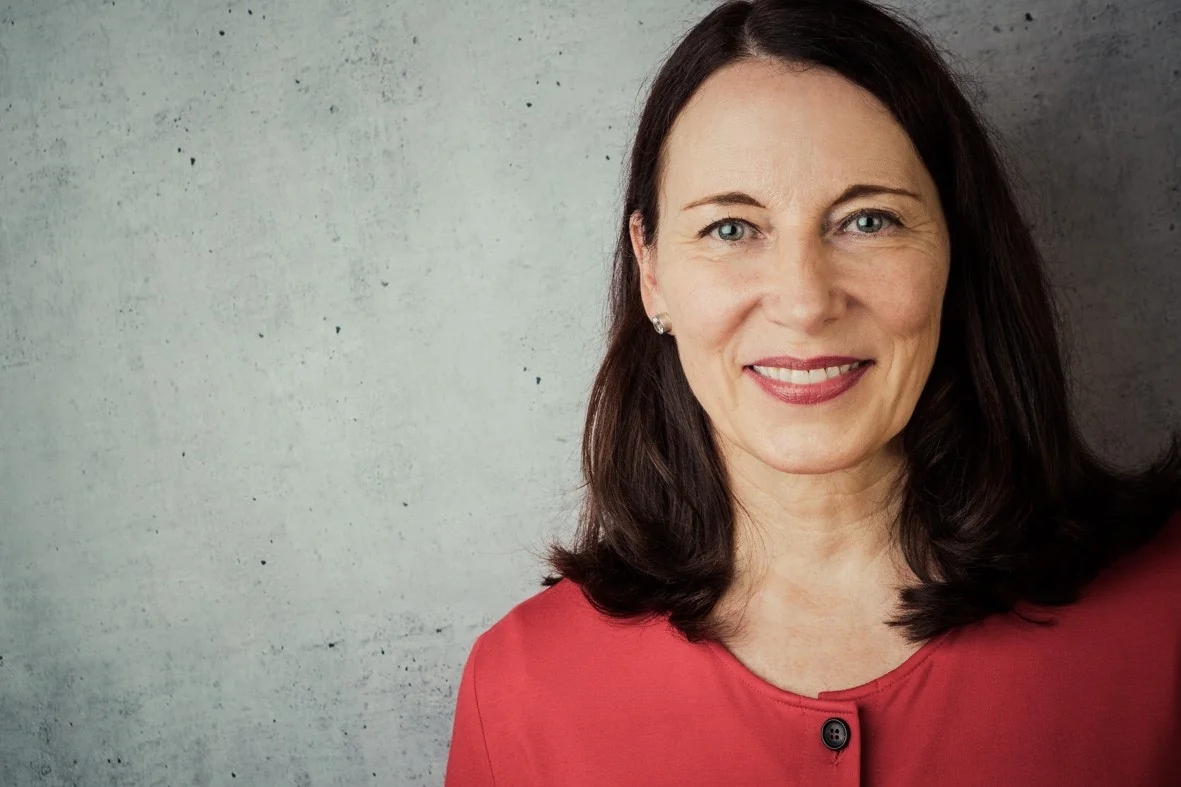
Image from Wikipedia
Image from Wikipedia
Jutta Götzmann: A Defining Voice in Museum and Art History in Germany
Between Research, Exhibition Practice, and Cultural Responsibility
Jutta Götzmann, born in 1965 in Ascheberg, Westphalia, is one of the prominent German art historians with a clear focus on museum work, research, and cultural policy responsibility. Her name represents a career that combines scientific depth with strategic leadership and has significantly shaped the museum landscape in Potsdam and Freiburg. As the Director of the Municipal Museums of Freiburg and the Director of the Augustinermuseum, she embodies the rare connection of expertise, institutional experience, and curatorial signature.
When encountering Jutta Götzmann, one meets not an artist in the music journalism sense, but a cultural manager and historian who views museum work as a living narrative. Her career illustrates how closely research, collection work, exhibition design, and public mediation are interconnected. Especially at a time when cultural institutions are more than ever struggling for relevance, her career represents continuity, quality awareness, and a pronounced understanding of cultural mission.
Academic Influence and Professional Development
The biography of Jutta Götzmann is characterized by a consistent build-up of professional expertise. Her work as an art historian early on positioned her in the dynamic space between academia and museum practice, where analytical thinking, historical context, and organizational competence are equally required. The focus of her work is on conveying art historical connections and exploring how exhibitions function as resonance spaces for memory, education, and public debate.
Throughout her career, she also took on teaching assignments and collaborative projects at institutions including the University of Münster, the University of Applied Sciences Potsdam, HTWK Leipzig, and the University of the Arts Berlin. These stages demonstrate not only academic presence but also the willingness to share knowledge in various institutional contexts. Götzmann moves confidently between research, teaching, and practice, bringing the versatility demanded by modern museum directorship.
Potsdam and Her Role as Museum Director
Jutta Götzmann gained particular visibility through her leadership at the Potsdam Museum. There, she appeared as the responsible museum director and was part of the generation of culture managers who repositioned the museum as a site for debate, city identity, and historical reflection. In this context, her name became associated with strategic museum development, exhibition profiles, and cultural policy perception.
Beyond direct museum management, she was active in committees and foundations. Notable mentions include the Expert Advisory Board of the Brandenburg Society for Culture and History, the Foundation Council of the Siegward Sprotte Foundation, the Board of the Art Association KunstHaus Potsdam e.V., and her jury work for “Stadtgefährten,” a fund for city museums in new partnerships with the Federal Cultural Foundation. These roles make it clear that Götzmann does not merely administer but actively shapes cultural networks.
Freiburg: Director with a Clear Profile
In the autumn of 2022, Jutta Götzmann was appointed as the successor to Tilmann von Stockhausen; since March 15, 2023, she has been the Director of the Municipal Museums of Freiburg and simultaneously the Director of the Augustinermuseum. The museum coalition includes not only the Augustinermuseum but also the Museum of City History in Wentzingerhaus, the Museum of Nature and Man, the Archaeological Museum Colombischlössle, and the Museum of New Art; since 2021, the Documentation Center National Socialism has also been part of the coalition.
Her work in Freiburg connects renovation, profile building, and digitization. Available sources describe how she oversaw the final renovation and establishment phase of the former monastery building of the Augustinermuseum while simultaneously advancing the strategic direction of the museums. Thus, she embodies a leadership that aims not only for visibility but also for sustainable structural work and a precise cultural positioning within the urban space.
Exhibitions, Communication, and Public Presence
Götzmann's museum work is particularly evident in exhibition communication and in conveying historical content to a broad audience. In Freiburg, she was involved in press and event formats, such as in connection with the opening of the Documentation Center National Socialism or with exhibitions and short tours where she explained the content and perspectives of the institution. This showcases that her role extends far beyond administrative leadership.
As a director, she is part of a public conversation about cultural memory, collection policy, and the future of museums. Under her leadership, the Freiburg museums document a strong connection between exhibition practice and social responsibility. This is the unique quality of her work: she translates historical expertise into a language that remains tangible for visitors.
Scholarly Authority and Institutional Networking
A significant part of Jutta Götzmann's impact lies in her authority as an art historian and cultural manager. Her activities in academic and cultural policy committees underscore that she not only leads institutions but also structures debates. The recurring reference to research, cooperation, and curatorial responsibility makes her a trusted voice in German museum affairs.
The combination of academic teaching, museum leadership, and committee work creates a profile based on experience and reliability. Particularly in the cultural sector, this mix is critical, as exhibitions are not only aesthetic formats but also spaces of knowledge and public promises. Jutta Götzmann represents precisely this intersection between expertise and cultural impact.
Cultural Influence and Curatorial Signature
The cultural influence of Jutta Götzmann can primarily be seen in her ability to sharpen the content of institutions while keeping them publicly accessible. Her leadership shows how museums can function as places of historical self-understanding when they are led with clear objectives, rigorous research, and consistent communication. This focus is not about short-term effects but about long-term cultural substance.
Especially in Freiburg, it becomes apparent how strongly her work is oriented towards sustainable development. Digitization, renovation, collection presentation, and audience-oriented formats form a comprehensive picture that modernizes the museum coalition while also preserving its historical depth. This balance is a hallmark of professional museum leadership and is central to Götzmann's strength.
Contextualizing Available Publications and Sources
The information available points to a scholar with a clearly documented museum historical practice, but not to a musical career or discography. Accordingly, it is not possible to reliably cite any albums, singles, charts, or musical projects. For a solid artist description, therefore, the art historical and museum biography remains the only verifiable focus.
This, however, is still valuable for a strong SEO author page, as the name Jutta Götzmann is relevant in cultural, institutional, and museological contexts. Those searching for her will find a defining personality in the German museum sector, not a musician. This clarity is part of a trustworthy representation and protects against misattributions.
Conclusion: Why Jutta Götzmann Remains Interesting
Jutta Götzmann is interesting because she takes museum work as a cultural responsibility seriously while combining scientific competence with strategic leadership. Her career demonstrates how crucial intelligent institutional management, historical expertise, and public communication are for contemporary culture. Those who follow her work recognize a personality who does not merely manage culture but actively shapes it.
Her profile represents stability, expertise, and a modern understanding of museum leadership. For this reason, it is worthwhile to keep an eye on her projects and exhibitions and to closely monitor the development of the Municipal Museums of Freiburg.
Official Channels of Jutta Götzmann:
- Instagram: No official profile found
- Facebook: No official profile found
- YouTube: No official profile found
- Spotify: No official profile found
- TikTok: No official profile found