
Freiburg im Breisgau
Buckweg, am Dorfbach Vauban, 79111 Freiburg im Breisgau-Sankt Georgen, Deutschland
gardening together Freiburg | Participation & Workshops
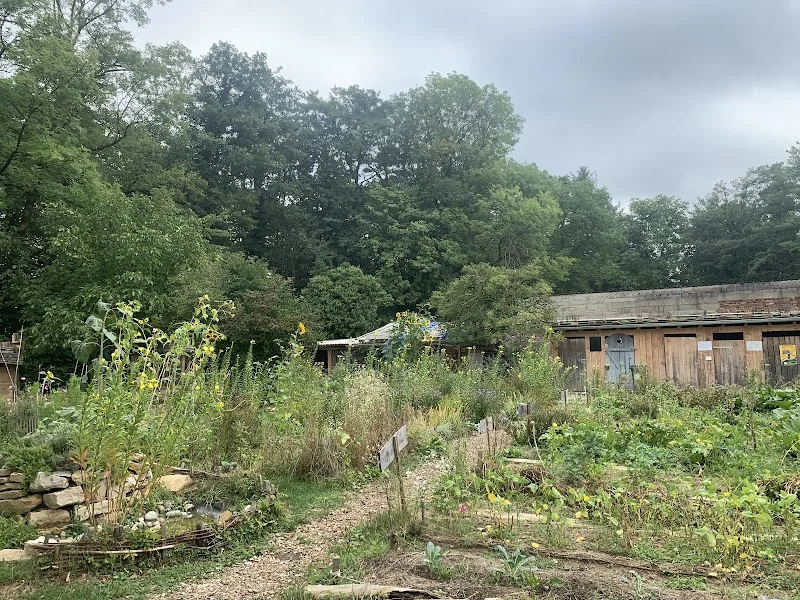
The community garden gardening together is not a classic event venue with a stage, seating, and ticket office, but a vibrant learning and meeting space in Freiburg. At the foot of the Schönberg, in the Vauban district, the project has been combining communal gardening with inclusion, environmental education, and neighborhood work since summer 2016. On approximately 3,500 square meters, people from many countries, different ages, and with very different prior experiences come together to grow vegetables, share knowledge, and create an open space for the urban community. This mixture of practical gardening, social interaction, and ecological education shapes the character of the project and distinguishes it from a pure recreational area or a closed private garden. Those looking for participatory offers, workshops, open action days, and inclusive learning formats will find a place here where communal action is not only talked about but visibly lived. This makes gardening together an address for all who want to not only visit Freiburg but also help shape it. ([zlev.de](https://zlev.de/garten-umwelt))
Participate in the open gardening meeting and action days
The most obvious question for many interested people is not what the garden theoretically is, but how to participate practically. That’s exactly what the open gardening meeting is for. According to the official schedule, it takes place every Thursday afternoon, outside of school holidays, and the times vary depending on the season: In spring and summer, the communal work usually starts around 5:00 PM and lasts until 6:30 PM, while in autumn, the meeting is more likely to be between 4:30 PM and 6:00 PM. This rhythm is important because it shows that the garden is not a one-time event but a reliable, recurring structure. People can come spontaneously without needing prior gardening knowledge. Under the guidance of the gardening team, we then weed, water, plant, and sow together. This not only creates well-tended beds but also conversations about gardening, neighborhood, and social issues. Therefore, the open gardening meeting is simultaneously an opportunity to participate, a learning space, and a social meeting point. ([zlev.de](https://zlev.de/ar/home/events/offener-gartentreff120?utm_source=openai))
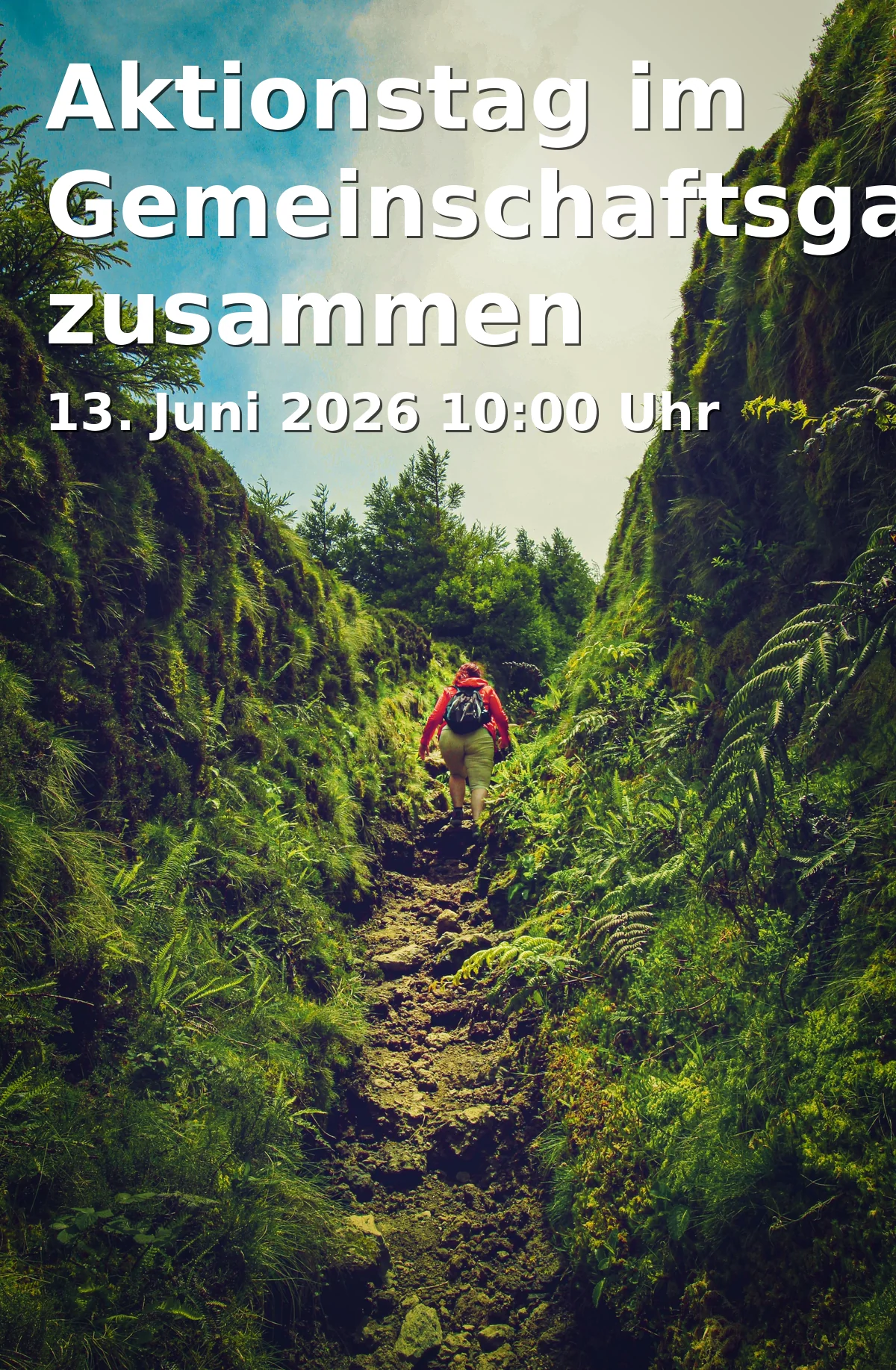
This weekly format is complemented by the monthly action day, which makes the garden even more visible to the public. The city of Freiburg has scheduled such an action day for Saturday, June 13, 2026; there, the beds will be tended, sown, and harvested together, climbing aids built, areas redesigned, cooked, and eaten together. It is precisely this combination of physical work, communal cooking, and open exchange that makes the format appealing. The action day is not just a pure work assignment but an invitation to experience the garden with all senses. Newcomers can observe how the group decides together, how knowledge is passed on, and how various activities come together in a common process. The official description emphasizes that people without prior experience are also welcome. This is a key aspect of the project: it lowers the threshold for participation and quickly fosters a genuine sense of belonging from initial curiosity. Thus, an appointment becomes a recurring community experience. ([freiburg.de](https://www.freiburg.de/pb/site/Freiburg/node/343211/zmdetail_34298967/Aktionstag%2Bim%2BGemeinschaftsgarten%2Bzusammen%2Bgaertnern.html?nodeID=34298967&zm.sid=zmx4bjcbd1c1))
Workshops, training, and ecological gardening
Gardening together is not only a place of action but also a place of learning. The official project description explicitly mentions workshops, mini-training sessions, excursions, and educational offers related to ecological gardening. These focus on very concrete topics that are crucial for sustainable gardening practice: healthy soils, ecological plant protection, proper watering, composting, and seed production. The training sessions take place partly within the framework of the action days, partly as independent mini-seminars, often also bilingual. This is more than just a nice supplementary offer, as it shows that the garden also democratizes knowledge. Those who work here not only learn how to maintain beds but also how ecological cycles function and how to cultivate plants resource-efficiently. Thus, the garden serves as both a practical laboratory and a learning workshop. For Freiburg, this is particularly relevant because the project takes place in a location where many social issues such as nutrition, biodiversity, and climate justice are negotiated in everyday life. ([zlev.de](https://zlev.de/garten-umwelt))
The educational aspect is also strengthened by additional project formats. The official information refers to collaborations with schools and independent providers, as well as holiday care and educational projects for young people. The garden thus opens up not only for adults but also for families, groups, and learners of all ages. This is important because sustainable nutrition and biodiversity are not conveyed as abstract theories but through direct experience: bringing seeds into the ground, perceiving soil structure, understanding compost, observing growth cycles, celebrating harvest successes. This sequence makes the garden a credible learning place. It does not convey a distant environmental message but practical competence. It fits that the project explicitly aims to promote sustainable lifestyles. Therefore, those looking for an inspiring location for ecological educational work will find here not just a backdrop but a real, ongoing example of how knowledge, craftsmanship, and community can intertwine. ([zlev.de](https://zlev.de/garten-umwelt))
Inclusion, career orientation, and participation at one's own pace
A central feature of gardening together is the lived inclusion. In the official descriptions, the garden is referred to as a space where people come together regardless of origin, religion, age, language, gender, sexuality, or disability. This is particularly evident in the area of inclusive internships and career orientation in ecological gardening. Young people and young adults with disabilities between the ages of 13 and 27 can learn about the working world of ecological gardening in a protected environment. The tasks range from preparing beds to sowing seeds and planting seedlings to proper watering, making compost, using tools, recognizing weeds, harvesting, caring for trees, and processing vegetables, herbs, or flowers. What is crucial is that this happens without pressure and at one's own pace. This creates a practical learning space where self-efficacy emerges: Those who may be uncertain at the beginning quickly realize that visible results grow from small actions. This is pedagogically strong because success does not remain abstract but becomes visible in the bed. ([zlev.de](https://zlev.de/fr/garten-umwelt?utm_source=openai))
The official external perception also emphasizes this aspect. The garden is described as an inclusive and diverse meeting place that connects people and addresses local social challenges. These include social justice, participation, dietary change, and climate justice. The fact that not only is there talk of participation but concrete work and learning opportunities arise makes the project particularly valuable for Freiburg. For young people, it can be a low-threshold entry into career orientation, for adults a place of stabilization, and for the entire group an example of how diversity can be practically organized. The testimonials on the project page describe the garden as a place where friendships are formed, people get to know each other, and everyday life slows down. This social impact is difficult to quantify, but it is clearly recognizable in the interplay of facts: The garden is not just a workplace but a piece of social infrastructure. ([zlev.de](https://zlev.de/ueber-uns?utm_source=openai))
Location by the village stream in Vauban and the history since 2016
Spatially, gardening together is very clearly located: in the Freiburg district of Vauban, on Buckweg or by the village stream, at the foot of the Schönberg. This location is typical for Freiburg's urban space because it closely connects nature, neighborhoods, and everyday paths. The official pages and event entries regularly mention the location in this form, making the garden also visible in the urban landscape. Its history began in the summer of 2016 when the community garden was opened. Later descriptions highlight that the community has been working on 3,500 square meters since then, with around 250 people from 16 countries regularly gardening together. This is remarkable for a local gardening project because it creates a place with a palpable social density. The temporal development is also particularly interesting: The German Environmental Aid recognized the garden in 2018 as the third winner in the Garden of Integration competition 2017, emphasizing cultural diversity, shared learning, and openness beyond the garden fence. Another contribution describes that 2017 was the first full gardening season. Thus, a clear picture emerges of a project that has developed from a new idea to an established meeting place within a few years. ([urbanes-gaertnern-freiburg.de](https://www.urbanes-gaertnern-freiburg.de/de/locations/gemeinschaftsgarten-zusammen-gaertnern))
This development is also relevant because the garden does not function as a closed model but as a place of growing public significance. This is shown not only by the official project pages but also by entries in the Freiburg event calendar and in neighborhood-related information offerings. There, the garden becomes visible as part of local community life, not as an isolated special project. From a tourist or editorial perspective, this is an important point: Those writing content for a location like this should not only mention the area or the address but explain the social function. This is where the uniqueness lies. The garden is landscape, learning space, neighborhood initiative, and integration site at the same time. The topography by the village stream and the Schönberg provides the suitable framework, but the actual quality arises from the people who regularly work together there. ([freiburg.de](https://www.freiburg.de/pb/site/Freiburg/node/343211/zmdetail_34298967/Aktionstag%2Bim%2BGemeinschaftsgarten%2Bzusammen%2Bgaertnern.html?nodeID=34298967&zm.sid=zmx4bjcbd1c1))
Action days, projects, and communal practice
Another reason why gardening together goes far beyond a typical community garden lies in the diversity of projects. The official page refers to formats such as FoodRelations, together potatoes, and garden care on request. FoodRelations dealt with future-oriented nutrition and made seasonal foods practically experienceable, including workshops on fermentation, soap from old frying oil, cooking with insects or mushrooms. The project together potatoes showed what education for sustainable development can look like in concrete terms: cultivation in urban space, workshops on potato culture, artistic cartography with partners from Freiburg, and the development of a product. Such examples make it clear that the garden not only produces vegetables but also initiates learning and design processes. The content connects ecology, nutrition, creativity, and urban society in a way that is very contemporary in the urban context. Especially because the urban community often seeks low-threshold formats, this garden has a special radiance. ([zlev.de](https://zlev.de/garten-umwelt))
Additionally, there is the cultural dimension of the action days. The city of Freiburg describes for the action day in June 2026 not only gardening but also communal cooking and a special culinary highlight with vine leaves and dolma. This shows that the garden understands cultural knowledge not as an addition but as part of community life. Eating, gardening, and storytelling are thought together here. This makes the place so memorable for visitors: One experiences an atmosphere where work, encounter, and enjoyment merge. For SEO and content planning, this means that search terms like action day, participation, workshops, sustainable nutrition, and intercultural community garden do not seem artificially imposed but reflect the actual core of the project. The event practice thus provides not only dates but also a narrative profile. Therefore, those describing this place should highlight the diversity of formats and not isolate just one aspect. ([freiburg.de](https://www.freiburg.de/pb/site/Freiburg/node/343211/zmdetail_34298967/Aktionstag%2Bim%2BGemeinschaftsgarten%2Bzusammen%2Bgaertnern.html?nodeID=34298967&zm.sid=zmx4bjcbd1c1))
Why gardening together stands out in Freiburg
Gardening together exemplifies a type of urban space that works well in Freiburg: socially open, ecologically oriented, and locally anchored. The garden connects themes that are often treated separately in many cities, namely biodiversity, nutrition, inclusion, education, and neighborhood. The fact that around 250 people from 16 countries regularly come together here is more than just a nice number. It shows that a garden can become a stable social space when it is organized with low barriers and allows for genuine participation. The description of the association zusammen leben e.V. makes it clear that it is not only about fruits, vegetables, or beautiful beds but about civil society spaces for encounter, participation, and addressing pressing issues such as social justice and climate justice. In this combination lies the uniqueness: The garden is not only beautiful but also socially relevant. This also gives it a strong position from the perspective of city marketing, cultural mediation, and local communication. ([zlev.de](https://zlev.de/en/garten-umwelt?utm_source=openai))
The fact that the garden was awarded the Garden of Integration in 2018 further strengthens this profile. The German Environmental Aid emphasized how consistently cultural diversity is lived here and how far the networking goes beyond its own garden fence. The University of Freiburg also describes gardening together as one of several green meeting places in the city and points out that community gardens are more than just classic allotment gardens. For visitors, this means: Those who want to get to know the place will not only encounter beds but a practical model of coexistence. For search engines, this means: The strongest themes are not tickets or seats but participation, open gardening meetings, workshops, inclusion, action days, and ecological education. These terms reflect the actual informational needs surrounding the place. Those looking for a location with genuine social depth will find here a credible example of how a garden can become an open meeting point for an entire neighborhood. ([duh.de](https://www.duh.de/presse/pressemitteilungen/pressemitteilung/deutsche-umwelthilfe-zeichnet-garten-der-integration-in-freiburg-aus/?utm_source=openai))
Sources:
Show moreShow less
gardening together Freiburg | Participation & Workshops
The community garden gardening together is not a classic event venue with a stage, seating, and ticket office, but a vibrant learning and meeting space in Freiburg. At the foot of the Schönberg, in the Vauban district, the project has been combining communal gardening with inclusion, environmental education, and neighborhood work since summer 2016. On approximately 3,500 square meters, people from many countries, different ages, and with very different prior experiences come together to grow vegetables, share knowledge, and create an open space for the urban community. This mixture of practical gardening, social interaction, and ecological education shapes the character of the project and distinguishes it from a pure recreational area or a closed private garden. Those looking for participatory offers, workshops, open action days, and inclusive learning formats will find a place here where communal action is not only talked about but visibly lived. This makes gardening together an address for all who want to not only visit Freiburg but also help shape it. ([zlev.de](https://zlev.de/garten-umwelt))
Participate in the open gardening meeting and action days
The most obvious question for many interested people is not what the garden theoretically is, but how to participate practically. That’s exactly what the open gardening meeting is for. According to the official schedule, it takes place every Thursday afternoon, outside of school holidays, and the times vary depending on the season: In spring and summer, the communal work usually starts around 5:00 PM and lasts until 6:30 PM, while in autumn, the meeting is more likely to be between 4:30 PM and 6:00 PM. This rhythm is important because it shows that the garden is not a one-time event but a reliable, recurring structure. People can come spontaneously without needing prior gardening knowledge. Under the guidance of the gardening team, we then weed, water, plant, and sow together. This not only creates well-tended beds but also conversations about gardening, neighborhood, and social issues. Therefore, the open gardening meeting is simultaneously an opportunity to participate, a learning space, and a social meeting point. ([zlev.de](https://zlev.de/ar/home/events/offener-gartentreff120?utm_source=openai))
This weekly format is complemented by the monthly action day, which makes the garden even more visible to the public. The city of Freiburg has scheduled such an action day for Saturday, June 13, 2026; there, the beds will be tended, sown, and harvested together, climbing aids built, areas redesigned, cooked, and eaten together. It is precisely this combination of physical work, communal cooking, and open exchange that makes the format appealing. The action day is not just a pure work assignment but an invitation to experience the garden with all senses. Newcomers can observe how the group decides together, how knowledge is passed on, and how various activities come together in a common process. The official description emphasizes that people without prior experience are also welcome. This is a key aspect of the project: it lowers the threshold for participation and quickly fosters a genuine sense of belonging from initial curiosity. Thus, an appointment becomes a recurring community experience. ([freiburg.de](https://www.freiburg.de/pb/site/Freiburg/node/343211/zmdetail_34298967/Aktionstag%2Bim%2BGemeinschaftsgarten%2Bzusammen%2Bgaertnern.html?nodeID=34298967&zm.sid=zmx4bjcbd1c1))
Workshops, training, and ecological gardening
Gardening together is not only a place of action but also a place of learning. The official project description explicitly mentions workshops, mini-training sessions, excursions, and educational offers related to ecological gardening. These focus on very concrete topics that are crucial for sustainable gardening practice: healthy soils, ecological plant protection, proper watering, composting, and seed production. The training sessions take place partly within the framework of the action days, partly as independent mini-seminars, often also bilingual. This is more than just a nice supplementary offer, as it shows that the garden also democratizes knowledge. Those who work here not only learn how to maintain beds but also how ecological cycles function and how to cultivate plants resource-efficiently. Thus, the garden serves as both a practical laboratory and a learning workshop. For Freiburg, this is particularly relevant because the project takes place in a location where many social issues such as nutrition, biodiversity, and climate justice are negotiated in everyday life. ([zlev.de](https://zlev.de/garten-umwelt))
The educational aspect is also strengthened by additional project formats. The official information refers to collaborations with schools and independent providers, as well as holiday care and educational projects for young people. The garden thus opens up not only for adults but also for families, groups, and learners of all ages. This is important because sustainable nutrition and biodiversity are not conveyed as abstract theories but through direct experience: bringing seeds into the ground, perceiving soil structure, understanding compost, observing growth cycles, celebrating harvest successes. This sequence makes the garden a credible learning place. It does not convey a distant environmental message but practical competence. It fits that the project explicitly aims to promote sustainable lifestyles. Therefore, those looking for an inspiring location for ecological educational work will find here not just a backdrop but a real, ongoing example of how knowledge, craftsmanship, and community can intertwine. ([zlev.de](https://zlev.de/garten-umwelt))
Inclusion, career orientation, and participation at one's own pace
A central feature of gardening together is the lived inclusion. In the official descriptions, the garden is referred to as a space where people come together regardless of origin, religion, age, language, gender, sexuality, or disability. This is particularly evident in the area of inclusive internships and career orientation in ecological gardening. Young people and young adults with disabilities between the ages of 13 and 27 can learn about the working world of ecological gardening in a protected environment. The tasks range from preparing beds to sowing seeds and planting seedlings to proper watering, making compost, using tools, recognizing weeds, harvesting, caring for trees, and processing vegetables, herbs, or flowers. What is crucial is that this happens without pressure and at one's own pace. This creates a practical learning space where self-efficacy emerges: Those who may be uncertain at the beginning quickly realize that visible results grow from small actions. This is pedagogically strong because success does not remain abstract but becomes visible in the bed. ([zlev.de](https://zlev.de/fr/garten-umwelt?utm_source=openai))
The official external perception also emphasizes this aspect. The garden is described as an inclusive and diverse meeting place that connects people and addresses local social challenges. These include social justice, participation, dietary change, and climate justice. The fact that not only is there talk of participation but concrete work and learning opportunities arise makes the project particularly valuable for Freiburg. For young people, it can be a low-threshold entry into career orientation, for adults a place of stabilization, and for the entire group an example of how diversity can be practically organized. The testimonials on the project page describe the garden as a place where friendships are formed, people get to know each other, and everyday life slows down. This social impact is difficult to quantify, but it is clearly recognizable in the interplay of facts: The garden is not just a workplace but a piece of social infrastructure. ([zlev.de](https://zlev.de/ueber-uns?utm_source=openai))
Location by the village stream in Vauban and the history since 2016
Spatially, gardening together is very clearly located: in the Freiburg district of Vauban, on Buckweg or by the village stream, at the foot of the Schönberg. This location is typical for Freiburg's urban space because it closely connects nature, neighborhoods, and everyday paths. The official pages and event entries regularly mention the location in this form, making the garden also visible in the urban landscape. Its history began in the summer of 2016 when the community garden was opened. Later descriptions highlight that the community has been working on 3,500 square meters since then, with around 250 people from 16 countries regularly gardening together. This is remarkable for a local gardening project because it creates a place with a palpable social density. The temporal development is also particularly interesting: The German Environmental Aid recognized the garden in 2018 as the third winner in the Garden of Integration competition 2017, emphasizing cultural diversity, shared learning, and openness beyond the garden fence. Another contribution describes that 2017 was the first full gardening season. Thus, a clear picture emerges of a project that has developed from a new idea to an established meeting place within a few years. ([urbanes-gaertnern-freiburg.de](https://www.urbanes-gaertnern-freiburg.de/de/locations/gemeinschaftsgarten-zusammen-gaertnern))
This development is also relevant because the garden does not function as a closed model but as a place of growing public significance. This is shown not only by the official project pages but also by entries in the Freiburg event calendar and in neighborhood-related information offerings. There, the garden becomes visible as part of local community life, not as an isolated special project. From a tourist or editorial perspective, this is an important point: Those writing content for a location like this should not only mention the area or the address but explain the social function. This is where the uniqueness lies. The garden is landscape, learning space, neighborhood initiative, and integration site at the same time. The topography by the village stream and the Schönberg provides the suitable framework, but the actual quality arises from the people who regularly work together there. ([freiburg.de](https://www.freiburg.de/pb/site/Freiburg/node/343211/zmdetail_34298967/Aktionstag%2Bim%2BGemeinschaftsgarten%2Bzusammen%2Bgaertnern.html?nodeID=34298967&zm.sid=zmx4bjcbd1c1))
Action days, projects, and communal practice
Another reason why gardening together goes far beyond a typical community garden lies in the diversity of projects. The official page refers to formats such as FoodRelations, together potatoes, and garden care on request. FoodRelations dealt with future-oriented nutrition and made seasonal foods practically experienceable, including workshops on fermentation, soap from old frying oil, cooking with insects or mushrooms. The project together potatoes showed what education for sustainable development can look like in concrete terms: cultivation in urban space, workshops on potato culture, artistic cartography with partners from Freiburg, and the development of a product. Such examples make it clear that the garden not only produces vegetables but also initiates learning and design processes. The content connects ecology, nutrition, creativity, and urban society in a way that is very contemporary in the urban context. Especially because the urban community often seeks low-threshold formats, this garden has a special radiance. ([zlev.de](https://zlev.de/garten-umwelt))
Additionally, there is the cultural dimension of the action days. The city of Freiburg describes for the action day in June 2026 not only gardening but also communal cooking and a special culinary highlight with vine leaves and dolma. This shows that the garden understands cultural knowledge not as an addition but as part of community life. Eating, gardening, and storytelling are thought together here. This makes the place so memorable for visitors: One experiences an atmosphere where work, encounter, and enjoyment merge. For SEO and content planning, this means that search terms like action day, participation, workshops, sustainable nutrition, and intercultural community garden do not seem artificially imposed but reflect the actual core of the project. The event practice thus provides not only dates but also a narrative profile. Therefore, those describing this place should highlight the diversity of formats and not isolate just one aspect. ([freiburg.de](https://www.freiburg.de/pb/site/Freiburg/node/343211/zmdetail_34298967/Aktionstag%2Bim%2BGemeinschaftsgarten%2Bzusammen%2Bgaertnern.html?nodeID=34298967&zm.sid=zmx4bjcbd1c1))
Why gardening together stands out in Freiburg
Gardening together exemplifies a type of urban space that works well in Freiburg: socially open, ecologically oriented, and locally anchored. The garden connects themes that are often treated separately in many cities, namely biodiversity, nutrition, inclusion, education, and neighborhood. The fact that around 250 people from 16 countries regularly come together here is more than just a nice number. It shows that a garden can become a stable social space when it is organized with low barriers and allows for genuine participation. The description of the association zusammen leben e.V. makes it clear that it is not only about fruits, vegetables, or beautiful beds but about civil society spaces for encounter, participation, and addressing pressing issues such as social justice and climate justice. In this combination lies the uniqueness: The garden is not only beautiful but also socially relevant. This also gives it a strong position from the perspective of city marketing, cultural mediation, and local communication. ([zlev.de](https://zlev.de/en/garten-umwelt?utm_source=openai))
The fact that the garden was awarded the Garden of Integration in 2018 further strengthens this profile. The German Environmental Aid emphasized how consistently cultural diversity is lived here and how far the networking goes beyond its own garden fence. The University of Freiburg also describes gardening together as one of several green meeting places in the city and points out that community gardens are more than just classic allotment gardens. For visitors, this means: Those who want to get to know the place will not only encounter beds but a practical model of coexistence. For search engines, this means: The strongest themes are not tickets or seats but participation, open gardening meetings, workshops, inclusion, action days, and ecological education. These terms reflect the actual informational needs surrounding the place. Those looking for a location with genuine social depth will find here a credible example of how a garden can become an open meeting point for an entire neighborhood. ([duh.de](https://www.duh.de/presse/pressemitteilungen/pressemitteilung/deutsche-umwelthilfe-zeichnet-garten-der-integration-in-freiburg-aus/?utm_source=openai))
Sources:
gardening together Freiburg | Participation & Workshops
The community garden gardening together is not a classic event venue with a stage, seating, and ticket office, but a vibrant learning and meeting space in Freiburg. At the foot of the Schönberg, in the Vauban district, the project has been combining communal gardening with inclusion, environmental education, and neighborhood work since summer 2016. On approximately 3,500 square meters, people from many countries, different ages, and with very different prior experiences come together to grow vegetables, share knowledge, and create an open space for the urban community. This mixture of practical gardening, social interaction, and ecological education shapes the character of the project and distinguishes it from a pure recreational area or a closed private garden. Those looking for participatory offers, workshops, open action days, and inclusive learning formats will find a place here where communal action is not only talked about but visibly lived. This makes gardening together an address for all who want to not only visit Freiburg but also help shape it. ([zlev.de](https://zlev.de/garten-umwelt))
Participate in the open gardening meeting and action days
The most obvious question for many interested people is not what the garden theoretically is, but how to participate practically. That’s exactly what the open gardening meeting is for. According to the official schedule, it takes place every Thursday afternoon, outside of school holidays, and the times vary depending on the season: In spring and summer, the communal work usually starts around 5:00 PM and lasts until 6:30 PM, while in autumn, the meeting is more likely to be between 4:30 PM and 6:00 PM. This rhythm is important because it shows that the garden is not a one-time event but a reliable, recurring structure. People can come spontaneously without needing prior gardening knowledge. Under the guidance of the gardening team, we then weed, water, plant, and sow together. This not only creates well-tended beds but also conversations about gardening, neighborhood, and social issues. Therefore, the open gardening meeting is simultaneously an opportunity to participate, a learning space, and a social meeting point. ([zlev.de](https://zlev.de/ar/home/events/offener-gartentreff120?utm_source=openai))
This weekly format is complemented by the monthly action day, which makes the garden even more visible to the public. The city of Freiburg has scheduled such an action day for Saturday, June 13, 2026; there, the beds will be tended, sown, and harvested together, climbing aids built, areas redesigned, cooked, and eaten together. It is precisely this combination of physical work, communal cooking, and open exchange that makes the format appealing. The action day is not just a pure work assignment but an invitation to experience the garden with all senses. Newcomers can observe how the group decides together, how knowledge is passed on, and how various activities come together in a common process. The official description emphasizes that people without prior experience are also welcome. This is a key aspect of the project: it lowers the threshold for participation and quickly fosters a genuine sense of belonging from initial curiosity. Thus, an appointment becomes a recurring community experience. ([freiburg.de](https://www.freiburg.de/pb/site/Freiburg/node/343211/zmdetail_34298967/Aktionstag%2Bim%2BGemeinschaftsgarten%2Bzusammen%2Bgaertnern.html?nodeID=34298967&zm.sid=zmx4bjcbd1c1))
Workshops, training, and ecological gardening
Gardening together is not only a place of action but also a place of learning. The official project description explicitly mentions workshops, mini-training sessions, excursions, and educational offers related to ecological gardening. These focus on very concrete topics that are crucial for sustainable gardening practice: healthy soils, ecological plant protection, proper watering, composting, and seed production. The training sessions take place partly within the framework of the action days, partly as independent mini-seminars, often also bilingual. This is more than just a nice supplementary offer, as it shows that the garden also democratizes knowledge. Those who work here not only learn how to maintain beds but also how ecological cycles function and how to cultivate plants resource-efficiently. Thus, the garden serves as both a practical laboratory and a learning workshop. For Freiburg, this is particularly relevant because the project takes place in a location where many social issues such as nutrition, biodiversity, and climate justice are negotiated in everyday life. ([zlev.de](https://zlev.de/garten-umwelt))
The educational aspect is also strengthened by additional project formats. The official information refers to collaborations with schools and independent providers, as well as holiday care and educational projects for young people. The garden thus opens up not only for adults but also for families, groups, and learners of all ages. This is important because sustainable nutrition and biodiversity are not conveyed as abstract theories but through direct experience: bringing seeds into the ground, perceiving soil structure, understanding compost, observing growth cycles, celebrating harvest successes. This sequence makes the garden a credible learning place. It does not convey a distant environmental message but practical competence. It fits that the project explicitly aims to promote sustainable lifestyles. Therefore, those looking for an inspiring location for ecological educational work will find here not just a backdrop but a real, ongoing example of how knowledge, craftsmanship, and community can intertwine. ([zlev.de](https://zlev.de/garten-umwelt))
Inclusion, career orientation, and participation at one's own pace
A central feature of gardening together is the lived inclusion. In the official descriptions, the garden is referred to as a space where people come together regardless of origin, religion, age, language, gender, sexuality, or disability. This is particularly evident in the area of inclusive internships and career orientation in ecological gardening. Young people and young adults with disabilities between the ages of 13 and 27 can learn about the working world of ecological gardening in a protected environment. The tasks range from preparing beds to sowing seeds and planting seedlings to proper watering, making compost, using tools, recognizing weeds, harvesting, caring for trees, and processing vegetables, herbs, or flowers. What is crucial is that this happens without pressure and at one's own pace. This creates a practical learning space where self-efficacy emerges: Those who may be uncertain at the beginning quickly realize that visible results grow from small actions. This is pedagogically strong because success does not remain abstract but becomes visible in the bed. ([zlev.de](https://zlev.de/fr/garten-umwelt?utm_source=openai))
The official external perception also emphasizes this aspect. The garden is described as an inclusive and diverse meeting place that connects people and addresses local social challenges. These include social justice, participation, dietary change, and climate justice. The fact that not only is there talk of participation but concrete work and learning opportunities arise makes the project particularly valuable for Freiburg. For young people, it can be a low-threshold entry into career orientation, for adults a place of stabilization, and for the entire group an example of how diversity can be practically organized. The testimonials on the project page describe the garden as a place where friendships are formed, people get to know each other, and everyday life slows down. This social impact is difficult to quantify, but it is clearly recognizable in the interplay of facts: The garden is not just a workplace but a piece of social infrastructure. ([zlev.de](https://zlev.de/ueber-uns?utm_source=openai))
Location by the village stream in Vauban and the history since 2016
Spatially, gardening together is very clearly located: in the Freiburg district of Vauban, on Buckweg or by the village stream, at the foot of the Schönberg. This location is typical for Freiburg's urban space because it closely connects nature, neighborhoods, and everyday paths. The official pages and event entries regularly mention the location in this form, making the garden also visible in the urban landscape. Its history began in the summer of 2016 when the community garden was opened. Later descriptions highlight that the community has been working on 3,500 square meters since then, with around 250 people from 16 countries regularly gardening together. This is remarkable for a local gardening project because it creates a place with a palpable social density. The temporal development is also particularly interesting: The German Environmental Aid recognized the garden in 2018 as the third winner in the Garden of Integration competition 2017, emphasizing cultural diversity, shared learning, and openness beyond the garden fence. Another contribution describes that 2017 was the first full gardening season. Thus, a clear picture emerges of a project that has developed from a new idea to an established meeting place within a few years. ([urbanes-gaertnern-freiburg.de](https://www.urbanes-gaertnern-freiburg.de/de/locations/gemeinschaftsgarten-zusammen-gaertnern))
This development is also relevant because the garden does not function as a closed model but as a place of growing public significance. This is shown not only by the official project pages but also by entries in the Freiburg event calendar and in neighborhood-related information offerings. There, the garden becomes visible as part of local community life, not as an isolated special project. From a tourist or editorial perspective, this is an important point: Those writing content for a location like this should not only mention the area or the address but explain the social function. This is where the uniqueness lies. The garden is landscape, learning space, neighborhood initiative, and integration site at the same time. The topography by the village stream and the Schönberg provides the suitable framework, but the actual quality arises from the people who regularly work together there. ([freiburg.de](https://www.freiburg.de/pb/site/Freiburg/node/343211/zmdetail_34298967/Aktionstag%2Bim%2BGemeinschaftsgarten%2Bzusammen%2Bgaertnern.html?nodeID=34298967&zm.sid=zmx4bjcbd1c1))
Action days, projects, and communal practice
Another reason why gardening together goes far beyond a typical community garden lies in the diversity of projects. The official page refers to formats such as FoodRelations, together potatoes, and garden care on request. FoodRelations dealt with future-oriented nutrition and made seasonal foods practically experienceable, including workshops on fermentation, soap from old frying oil, cooking with insects or mushrooms. The project together potatoes showed what education for sustainable development can look like in concrete terms: cultivation in urban space, workshops on potato culture, artistic cartography with partners from Freiburg, and the development of a product. Such examples make it clear that the garden not only produces vegetables but also initiates learning and design processes. The content connects ecology, nutrition, creativity, and urban society in a way that is very contemporary in the urban context. Especially because the urban community often seeks low-threshold formats, this garden has a special radiance. ([zlev.de](https://zlev.de/garten-umwelt))
Additionally, there is the cultural dimension of the action days. The city of Freiburg describes for the action day in June 2026 not only gardening but also communal cooking and a special culinary highlight with vine leaves and dolma. This shows that the garden understands cultural knowledge not as an addition but as part of community life. Eating, gardening, and storytelling are thought together here. This makes the place so memorable for visitors: One experiences an atmosphere where work, encounter, and enjoyment merge. For SEO and content planning, this means that search terms like action day, participation, workshops, sustainable nutrition, and intercultural community garden do not seem artificially imposed but reflect the actual core of the project. The event practice thus provides not only dates but also a narrative profile. Therefore, those describing this place should highlight the diversity of formats and not isolate just one aspect. ([freiburg.de](https://www.freiburg.de/pb/site/Freiburg/node/343211/zmdetail_34298967/Aktionstag%2Bim%2BGemeinschaftsgarten%2Bzusammen%2Bgaertnern.html?nodeID=34298967&zm.sid=zmx4bjcbd1c1))
Why gardening together stands out in Freiburg
Gardening together exemplifies a type of urban space that works well in Freiburg: socially open, ecologically oriented, and locally anchored. The garden connects themes that are often treated separately in many cities, namely biodiversity, nutrition, inclusion, education, and neighborhood. The fact that around 250 people from 16 countries regularly come together here is more than just a nice number. It shows that a garden can become a stable social space when it is organized with low barriers and allows for genuine participation. The description of the association zusammen leben e.V. makes it clear that it is not only about fruits, vegetables, or beautiful beds but about civil society spaces for encounter, participation, and addressing pressing issues such as social justice and climate justice. In this combination lies the uniqueness: The garden is not only beautiful but also socially relevant. This also gives it a strong position from the perspective of city marketing, cultural mediation, and local communication. ([zlev.de](https://zlev.de/en/garten-umwelt?utm_source=openai))
The fact that the garden was awarded the Garden of Integration in 2018 further strengthens this profile. The German Environmental Aid emphasized how consistently cultural diversity is lived here and how far the networking goes beyond its own garden fence. The University of Freiburg also describes gardening together as one of several green meeting places in the city and points out that community gardens are more than just classic allotment gardens. For visitors, this means: Those who want to get to know the place will not only encounter beds but a practical model of coexistence. For search engines, this means: The strongest themes are not tickets or seats but participation, open gardening meetings, workshops, inclusion, action days, and ecological education. These terms reflect the actual informational needs surrounding the place. Those looking for a location with genuine social depth will find here a credible example of how a garden can become an open meeting point for an entire neighborhood. ([duh.de](https://www.duh.de/presse/pressemitteilungen/pressemitteilung/deutsche-umwelthilfe-zeichnet-garten-der-integration-in-freiburg-aus/?utm_source=openai))
Sources:
Frequently Asked Questions
Reviews
No reviews found