
Freiburg im Breisgau
Freiburger Münster, Münsterplatz 1, 79098 Freiburg im Breisgau, Deutschland
Freiburg Minster | Tower Climbing & Opening Hours
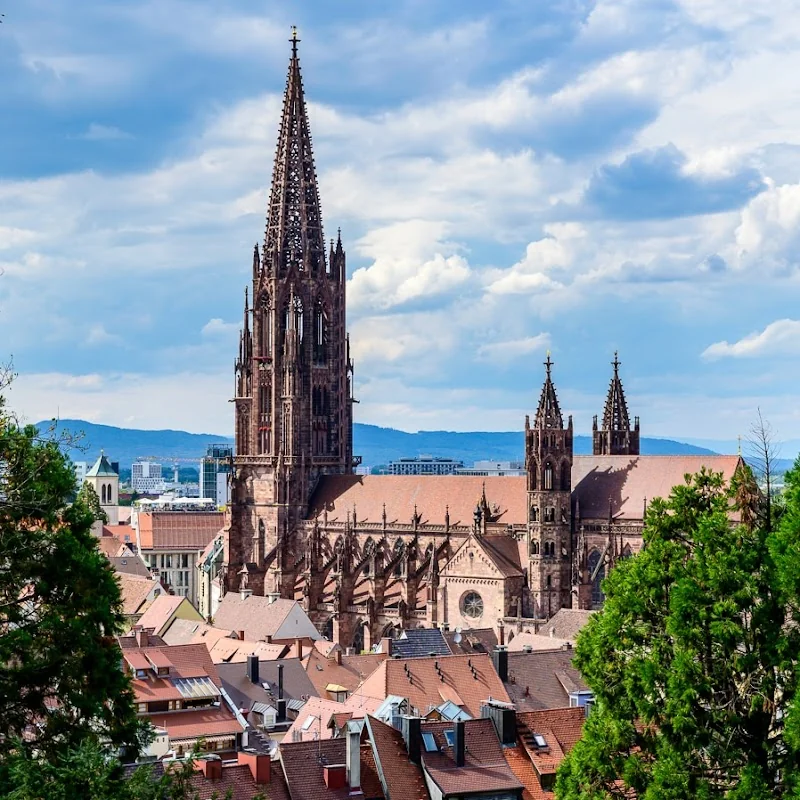
The Freiburg Minster is one of the most famous landmarks in southern Germany and has shaped the old town of Freiburg im Breisgau for centuries. It is today both the parish church of the Cathedral Parish of Our Lady, a Roman Catholic city church, and the cathedral of the Archdiocese of Freiburg. Its location in the middle of the Münsterplatz, the long construction history, and the strong connection between faith, urban life, and art make it a place that is not only looked at but experienced. Around the Münsterplatz, market, worship, culture, and everyday life meet in close proximity, and this mixture explains why so many visitors search for opening hours, tower climbing, guided tours, and special details. The Minster is not just a photo motif but a living house of worship with centuries-old history, impressive architecture, and a visit offer that ranges from quiet contemplation to climbing the tower. ([freiburgermuenster.info](https://www.freiburgermuenster.info/muenster-2/das-gotteshaus/))
Opening Hours of Freiburg Minster and Tower Climbing
Anyone wishing to visit Freiburg Minster should know the official times precisely, as there is a clear distinction between liturgical use, sightseeing, and tower climbing. The Minster itself is open Monday to Saturday from 6:30 AM to 7:00 PM, and on Sundays and public holidays from 7:30 AM to 8:30 PM. The sightseeing hours are more limited: Monday and Tuesday from 9:00 AM to 11:45 AM and from 12:30 PM to 4:45 PM, Wednesday from 9:00 AM to 11:45 AM and from 1:00 PM to 4:45 PM, Thursday and Friday from 9:00 AM to 11:45 AM and from 12:30 PM to 4:45 PM, Saturday from 9:00 AM to 11:00 AM and from 12:15 PM to 6:00 PM, and on Sundays and public holidays from 1:30 PM to 7:30 PM. Sightseeing is not possible during services, and last-minute changes due to concerts or construction work are possible. ([freiburgermuenster.info](https://www.freiburgermuenster.info/besuchen/))
The tower climbing is particularly popular because it offers one of the most impressive views in Freiburg. The ascent is possible Monday to Saturday from 11:00 AM to 4:00 PM, and on Sundays and public holidays from 1:00 PM to 5:00 PM. The last ascent takes place about 15 minutes before closing, and the top gallery remains closed during the winter months. Those who climb the steps to the bell-ringer's room have 209 steps ahead of them. From there, it continues to the tower platform and up to the gallery at around 70 meters high. The tower ascent is not barrier-free and is undertaken at one's own risk. This combination of challenge, view, and historical substance makes the search for Freiburg Minster tower climbing and Freiburg Minster height so popular. ([freiburgermuenster.info](https://www.freiburgermuenster.info/besuchen/))
The height of the tower itself also contributes to the fascination. The west tower is 116 meters high and, with its intricate spire, is a rare masterpiece of Gothic architecture. It is considered one of the earliest Gothic towers completed in the Middle Ages and served as a model for later towers along the Upper Rhine. The ascent is worthwhile not only for the panorama over the old town, Kaiserstuhl, Rhine valley, Vosges, Dreisamtal, and Black Forest but also for the view into the construction of the medieval bell chamber made of fir wood. Therefore, those who want to experience the Minster intensively should combine tower climbing and interior visits and plan the visit not just spontaneously on site. ([freiburgermuenster.info](https://www.freiburgermuenster.info/muenster-2/die-bauphasen/westturm/?utm_source=openai))
Guided Tours in Freiburg Minster: Open Tours, Groups, and Construction Workshop
The guided tours in Freiburg Minster are a central part of the visitor experience and explain why search queries around Freiburg Minster tours are particularly important. Open Minster tours can be booked through the c-punkt MÜNSTERFORUM, and there are also group tours, spiritual tours, and organ tours. Special rules apply for groups: they must be registered, and audio systems are required. The meeting point for many tours is the c-punkt MÜNSTERFORUM at Herrenstraße 33. Open tours last about an hour and convey the Minster from the outside and inside. ([freiburgermuenster.info](https://www.freiburgermuenster.info/besuchen/))
The offer is also well-structured for individual guests. Open Minster tours usually take place Monday to Saturday at 2:00 PM, during the summer months from Easter to All Saints' Day generally from Monday to Saturday and in the winter months from All Saints' Day to Easter on Fridays and Saturdays. The contribution is 8 euros, reduced 4 euros. Additionally, there are tours through the Minster construction workshop, which start on Saturdays at 1:00 PM and provide insights into the outer stonework, restoration, and ongoing maintenance of the building. This is particularly interesting because the Minster construction association has been responsible for the outer stonework since 1890, while the Minster factory fund and the Archdiocesan building office take care of the interior, bells, and organs. ([freiburgermuenster.info](https://www.freiburgermuenster.info/besuchen/))
For those who want to delve deeper, there are also thematic formats for families, groups, and language travelers. Group tours for adults last an hour and can focus on thematic highlights; tours in foreign languages are available in English, French, Spanish, and Italian, among others. This shows that Freiburg Minster is not just a silent monument but a pedagogically and spiritually accessible place. For visitors who want to understand not only architectural facts but also testimonies of faith, symbolism, and city history, these tours are often the best entry point. Especially because the Minster is a liturgically used space, tours provide structure and orientation and help to consciously plan the visit. ([c-punkt-freiburg.de](https://www.c-punkt-freiburg.de/muensterfuehrungen/gruppenfuehrungen/?utm_source=openai))
Organ, Bells, and Organ Music During Market Time
The Minster organs are one of the strongest arguments for a visit when searching for Freiburg Minster organ or Freiburg Minster organ concert Saturday. The Minster houses four organs and an auxiliary instrument; the system is one of the largest organ systems in Germany and Europe. Four individual instruments can be played separately but also together from a central console. In total, the organs have 166 registers and 10,195 pipes. This size is not only technically impressive but also sonically: the Gothic church space amplifies the effect of the instruments so that a special unity emerges from the individual voices. ([freiburgermuenster.info](https://www.freiburgermuenster.info/aktuell/detail/termin/id/4457564-orgelfuehrungen-im-freiburger-muenster/?cb-id=12403065&vt=1&utm_source=openai))
One of the most popular events is the organ music during market time. From Easter to Christmas, it takes place every Saturday at 11:30 AM and lasts about 25 minutes. This allows the visit to the Minster market to be combined with a musical moment that brings calm to the bustling activity. In this way, the Minster is experienced not only as a building but also as an acoustic space. Additionally, the c-punkt MÜNSTERFORUM regularly offers organ tours, where the history of the Minster organs, the Michel organ on the west gallery, and the functioning of the system are explained. Therefore, those who visit the Minster on Saturday often experience not only the market and architecture but also a sound space of international rank. ([freiburgermuenster.info](https://www.freiburgermuenster.info/aktuell/detail/nachricht/id/239847-orgelmusik-zur-marktzeit-2026/?cb-id=12388383&utm_source=openai))
The ringing of the bells is also a defining experience for many visitors. The history of the bells dates back over many centuries, and the current system was extensively renewed in 1841/43 and 1959. Particularly famous is the Hosanna, one of the oldest Angelus bells in Germany. On the tower, visitors can see 18 of the total 19 bells, and during the tower climbing, the significance of the bell-ringer's room and the bell chamber is explained. The interplay of bells, organs, and space makes it understandable why Freiburg Minster is not only visually but also musically one of the great addresses in the city. ([freiburgermuenster.info](https://www.freiburgermuenster.info/muenster-2/kunstwerke-und-highlights/glocken/?utm_source=openai))
Construction Time, History, and the Special Role as Parish and Bishop's Church
The construction history of Freiburg Minster is long and complex. Construction began around 1200 and continued over several centuries until the Minster was essentially completed in the middle of the 16th century. Plans, builders, and styles changed during this time. Initially, the construction was oriented towards the Basel Minster and began in the late Romanesque style; from 1230/40, it continued to be built in Gothic form, inspired by the Strasbourg Minster. Particularly exciting is that the Minster is one of the few large Gothic churches that were completed in the Middle Ages, including the tower. The long construction time also explains why the search for Freiburg Minster construction time is so frequent: a significant part of the city's history is contained in this one building. ([freiburgermuenster.info](https://www.freiburgermuenster.info/muenster/))
A closer look at the construction phases shows the development particularly clearly. From around 1200, late Romanesque components emerged; between about 1230 and 1256, the Gothic nave was continued in the eastern bays. The western bays followed from around 1260, the west tower was built from approximately 1270 to 1330/40, and the late Gothic choir was constructed from 1354 and consecrated only in 1513. Thus, the Minster is a textbook of construction history that makes important steps of European architecture visible from the transition from Romanesque to Gothic to late Gothic. Later additions such as the Mount of Olives Chapel, the Last Supper Chapel, Baroque redesigns, and restorations also shape the current appearance. ([freiburgermuenster.info](https://www.freiburgermuenster.info/muenster-2/die-bauphasen/?utm_source=openai))
The special role of the Minster as a parish, city, and bishop's church explains why it remains so closely connected to the religious and public life of Freiburg to this day. Today, it is both the parish church of the Cathedral Parish, a Roman Catholic city church, and the cathedral of the Archdiocese of Freiburg. This multifunctionality is reflected in the church space, in the seating of the cathedral chapter, in the liturgical everyday life, and in the use for services. During World War II, the old town of Freiburg was heavily destroyed, but the Minster remained largely spared by a miracle and became a sign of hope for many people. Therefore, those who visit the building today see not only a work of art but also a symbol of urban continuity. ([freiburgermuenster.info](https://www.freiburgermuenster.info/muenster-2/das-gotteshaus/))
Figures, Gargoyles, and Artworks in Freiburg Minster
When searching for Freiburg Minster special features, Freiburg Minster figures, or Freiburg Minster gargoyles, one quickly lands at the many details of the exterior and interior. The portal hall on the ground floor of the west tower is richly decorated with figurative ornamentation and explains the salvation history of the Old and New Testaments. Even the access is more than just an entrance: it is a theological program in stone. The west tower itself also features a dense ensemble of figures that stretches at various heights up to about 70 meters. The sculptures are of different ages and reflect stylistic developments as well as the influence of French cathedrals such as Paris, Chartres, Reims, and Strasbourg. ([freiburgermuenster.info](https://www.freiburgermuenster.info/muenster-2/kunstwerke-und-highlights/))
Particularly striking are the gargoyles and gargoyle-like figures. The tourist site mentions 91 individually designed figures that not only drain rainwater but are also traditionally believed to ward off evil forces. In the west tower area, there are also representations of vices and figures with symbolic significance. Inside, further highlights await: the Jesse Tree window as the oldest and artistically most significant stained glass, the high altar by Hans Baldung Grien, the chapel crown with its eleven chapels, the monumental silver triumphal cross, and the Holy Sepulchre created around 1330, which is among the earliest significant installations of this kind in Germany. Those who visit the Minster attentively quickly recognize that it is not only large but also works art historically densely at every level. ([visit.freiburg.de](https://visit.freiburg.de/muensterplatz?utm_source=openai))
The windows also play an important role in the perception of the Minster. Many date back to the time of the construction of the building between about 1200 and the middle of the 16th century. The oldest and most significant stained glass is found in the Jesse Tree window in the southern transept. Additionally, there are further windows named after professions, donors, or saints that give the interior a strong colorfulness. Those interested in photos will find many motifs here, but the actual fascination lies in the combination of light, architecture, and symbolism. Therefore, the Minster is not just a destination for photos but above all for slow, careful observation. ([freiburgermuenster.info](https://www.freiburgermuenster.info/muenster-2/kunstwerke-und-highlights/))
Münsterplatz, Minster Market, Access and Parking
The Freiburg Minster is inseparably linked to the Münsterplatz. The square is considered the pulsating heart of the city, and this is where a large part of daily life takes place. The Minster market takes place on the square around the Minster and brings together up to 130 market stalls from Monday to Saturday. The opening hours are Monday to Friday from 7:30 AM to 1:30 PM and Saturday from 7:30 AM to 2:00 PM. Especially on Saturdays, the market is a place for shopping, meeting, and a short break among fruits, vegetables, flowers, regional products, and the typical Long Red. On many Saturdays, organ music can be heard from the Minster starting at 11:30 AM. In this way, market, music, and architecture combine to create one of the liveliest images of Freiburg. ([visit.freiburg.de](https://visit.freiburg.de/muenstermarkt))
There are also practical points for access. The Minster is centrally located in the old town, and the city center is pedestrian-friendly. Those arriving by car will find parking options in the nearby old town, including the Schlossberggarage or the parking garage at Karlsbau. Public transport can easily reach the city center from the main train station by tram; the stops Oberlinden and Bertoldsbrunnen are among those mentioned. This is important for visitors because the Minster itself is located in the middle of a pedestrian zone, and the visit is therefore best combined with a short walk through the old town. ([freiburgermuenster.info](https://www.freiburgermuenster.info/erhalten/muensterstiftung/kontakt-und-anfahrt/?utm_source=openai))
Those who want to round off their visit will find further attractions around the Münsterplatz, including the Historical Merchant's House, the Kornhaus, the Archiepiscopal Palace, and the Old Minster Construction Workshop with the Minster Shop. Especially the Old Minster Construction Workshop is a good place to understand the connection between architecture, maintenance, and the present. Thus, the Minster is not just a single destination but the center of an entire historical urban space. This is precisely where its charm lies: The path leads from the market street into the church space, from the church space to the tower, and from the tower back into the lively cityscape. ([visit.freiburg.de](https://visit.freiburg.de/muensterplatz?utm_source=openai))
Sources:
- Freiburg Minster - Official Website
- Freiburg Minster - Visit
- Freiburg Minster - Tower Climbing
- Freiburg Minster - The Freiburg Minster
- Freiburg Minster - Artworks and Highlights
- c-punkt MÜNSTERFORUM - Minster Tours
- visit.freiburg.de - Freiburg Minster
- visit.freiburg.de - Minster Market Freiburg
- Freiburg Minster - Preservation
- Freiburg Minster Foundation - Contact and Access
Show moreShow less
Freiburg Minster | Tower Climbing & Opening Hours
The Freiburg Minster is one of the most famous landmarks in southern Germany and has shaped the old town of Freiburg im Breisgau for centuries. It is today both the parish church of the Cathedral Parish of Our Lady, a Roman Catholic city church, and the cathedral of the Archdiocese of Freiburg. Its location in the middle of the Münsterplatz, the long construction history, and the strong connection between faith, urban life, and art make it a place that is not only looked at but experienced. Around the Münsterplatz, market, worship, culture, and everyday life meet in close proximity, and this mixture explains why so many visitors search for opening hours, tower climbing, guided tours, and special details. The Minster is not just a photo motif but a living house of worship with centuries-old history, impressive architecture, and a visit offer that ranges from quiet contemplation to climbing the tower. ([freiburgermuenster.info](https://www.freiburgermuenster.info/muenster-2/das-gotteshaus/))
Opening Hours of Freiburg Minster and Tower Climbing
Anyone wishing to visit Freiburg Minster should know the official times precisely, as there is a clear distinction between liturgical use, sightseeing, and tower climbing. The Minster itself is open Monday to Saturday from 6:30 AM to 7:00 PM, and on Sundays and public holidays from 7:30 AM to 8:30 PM. The sightseeing hours are more limited: Monday and Tuesday from 9:00 AM to 11:45 AM and from 12:30 PM to 4:45 PM, Wednesday from 9:00 AM to 11:45 AM and from 1:00 PM to 4:45 PM, Thursday and Friday from 9:00 AM to 11:45 AM and from 12:30 PM to 4:45 PM, Saturday from 9:00 AM to 11:00 AM and from 12:15 PM to 6:00 PM, and on Sundays and public holidays from 1:30 PM to 7:30 PM. Sightseeing is not possible during services, and last-minute changes due to concerts or construction work are possible. ([freiburgermuenster.info](https://www.freiburgermuenster.info/besuchen/))
The tower climbing is particularly popular because it offers one of the most impressive views in Freiburg. The ascent is possible Monday to Saturday from 11:00 AM to 4:00 PM, and on Sundays and public holidays from 1:00 PM to 5:00 PM. The last ascent takes place about 15 minutes before closing, and the top gallery remains closed during the winter months. Those who climb the steps to the bell-ringer's room have 209 steps ahead of them. From there, it continues to the tower platform and up to the gallery at around 70 meters high. The tower ascent is not barrier-free and is undertaken at one's own risk. This combination of challenge, view, and historical substance makes the search for Freiburg Minster tower climbing and Freiburg Minster height so popular. ([freiburgermuenster.info](https://www.freiburgermuenster.info/besuchen/))
The height of the tower itself also contributes to the fascination. The west tower is 116 meters high and, with its intricate spire, is a rare masterpiece of Gothic architecture. It is considered one of the earliest Gothic towers completed in the Middle Ages and served as a model for later towers along the Upper Rhine. The ascent is worthwhile not only for the panorama over the old town, Kaiserstuhl, Rhine valley, Vosges, Dreisamtal, and Black Forest but also for the view into the construction of the medieval bell chamber made of fir wood. Therefore, those who want to experience the Minster intensively should combine tower climbing and interior visits and plan the visit not just spontaneously on site. ([freiburgermuenster.info](https://www.freiburgermuenster.info/muenster-2/die-bauphasen/westturm/?utm_source=openai))
Guided Tours in Freiburg Minster: Open Tours, Groups, and Construction Workshop
The guided tours in Freiburg Minster are a central part of the visitor experience and explain why search queries around Freiburg Minster tours are particularly important. Open Minster tours can be booked through the c-punkt MÜNSTERFORUM, and there are also group tours, spiritual tours, and organ tours. Special rules apply for groups: they must be registered, and audio systems are required. The meeting point for many tours is the c-punkt MÜNSTERFORUM at Herrenstraße 33. Open tours last about an hour and convey the Minster from the outside and inside. ([freiburgermuenster.info](https://www.freiburgermuenster.info/besuchen/))
The offer is also well-structured for individual guests. Open Minster tours usually take place Monday to Saturday at 2:00 PM, during the summer months from Easter to All Saints' Day generally from Monday to Saturday and in the winter months from All Saints' Day to Easter on Fridays and Saturdays. The contribution is 8 euros, reduced 4 euros. Additionally, there are tours through the Minster construction workshop, which start on Saturdays at 1:00 PM and provide insights into the outer stonework, restoration, and ongoing maintenance of the building. This is particularly interesting because the Minster construction association has been responsible for the outer stonework since 1890, while the Minster factory fund and the Archdiocesan building office take care of the interior, bells, and organs. ([freiburgermuenster.info](https://www.freiburgermuenster.info/besuchen/))
For those who want to delve deeper, there are also thematic formats for families, groups, and language travelers. Group tours for adults last an hour and can focus on thematic highlights; tours in foreign languages are available in English, French, Spanish, and Italian, among others. This shows that Freiburg Minster is not just a silent monument but a pedagogically and spiritually accessible place. For visitors who want to understand not only architectural facts but also testimonies of faith, symbolism, and city history, these tours are often the best entry point. Especially because the Minster is a liturgically used space, tours provide structure and orientation and help to consciously plan the visit. ([c-punkt-freiburg.de](https://www.c-punkt-freiburg.de/muensterfuehrungen/gruppenfuehrungen/?utm_source=openai))
Organ, Bells, and Organ Music During Market Time
The Minster organs are one of the strongest arguments for a visit when searching for Freiburg Minster organ or Freiburg Minster organ concert Saturday. The Minster houses four organs and an auxiliary instrument; the system is one of the largest organ systems in Germany and Europe. Four individual instruments can be played separately but also together from a central console. In total, the organs have 166 registers and 10,195 pipes. This size is not only technically impressive but also sonically: the Gothic church space amplifies the effect of the instruments so that a special unity emerges from the individual voices. ([freiburgermuenster.info](https://www.freiburgermuenster.info/aktuell/detail/termin/id/4457564-orgelfuehrungen-im-freiburger-muenster/?cb-id=12403065&vt=1&utm_source=openai))
One of the most popular events is the organ music during market time. From Easter to Christmas, it takes place every Saturday at 11:30 AM and lasts about 25 minutes. This allows the visit to the Minster market to be combined with a musical moment that brings calm to the bustling activity. In this way, the Minster is experienced not only as a building but also as an acoustic space. Additionally, the c-punkt MÜNSTERFORUM regularly offers organ tours, where the history of the Minster organs, the Michel organ on the west gallery, and the functioning of the system are explained. Therefore, those who visit the Minster on Saturday often experience not only the market and architecture but also a sound space of international rank. ([freiburgermuenster.info](https://www.freiburgermuenster.info/aktuell/detail/nachricht/id/239847-orgelmusik-zur-marktzeit-2026/?cb-id=12388383&utm_source=openai))
The ringing of the bells is also a defining experience for many visitors. The history of the bells dates back over many centuries, and the current system was extensively renewed in 1841/43 and 1959. Particularly famous is the Hosanna, one of the oldest Angelus bells in Germany. On the tower, visitors can see 18 of the total 19 bells, and during the tower climbing, the significance of the bell-ringer's room and the bell chamber is explained. The interplay of bells, organs, and space makes it understandable why Freiburg Minster is not only visually but also musically one of the great addresses in the city. ([freiburgermuenster.info](https://www.freiburgermuenster.info/muenster-2/kunstwerke-und-highlights/glocken/?utm_source=openai))
Construction Time, History, and the Special Role as Parish and Bishop's Church
The construction history of Freiburg Minster is long and complex. Construction began around 1200 and continued over several centuries until the Minster was essentially completed in the middle of the 16th century. Plans, builders, and styles changed during this time. Initially, the construction was oriented towards the Basel Minster and began in the late Romanesque style; from 1230/40, it continued to be built in Gothic form, inspired by the Strasbourg Minster. Particularly exciting is that the Minster is one of the few large Gothic churches that were completed in the Middle Ages, including the tower. The long construction time also explains why the search for Freiburg Minster construction time is so frequent: a significant part of the city's history is contained in this one building. ([freiburgermuenster.info](https://www.freiburgermuenster.info/muenster/))
A closer look at the construction phases shows the development particularly clearly. From around 1200, late Romanesque components emerged; between about 1230 and 1256, the Gothic nave was continued in the eastern bays. The western bays followed from around 1260, the west tower was built from approximately 1270 to 1330/40, and the late Gothic choir was constructed from 1354 and consecrated only in 1513. Thus, the Minster is a textbook of construction history that makes important steps of European architecture visible from the transition from Romanesque to Gothic to late Gothic. Later additions such as the Mount of Olives Chapel, the Last Supper Chapel, Baroque redesigns, and restorations also shape the current appearance. ([freiburgermuenster.info](https://www.freiburgermuenster.info/muenster-2/die-bauphasen/?utm_source=openai))
The special role of the Minster as a parish, city, and bishop's church explains why it remains so closely connected to the religious and public life of Freiburg to this day. Today, it is both the parish church of the Cathedral Parish, a Roman Catholic city church, and the cathedral of the Archdiocese of Freiburg. This multifunctionality is reflected in the church space, in the seating of the cathedral chapter, in the liturgical everyday life, and in the use for services. During World War II, the old town of Freiburg was heavily destroyed, but the Minster remained largely spared by a miracle and became a sign of hope for many people. Therefore, those who visit the building today see not only a work of art but also a symbol of urban continuity. ([freiburgermuenster.info](https://www.freiburgermuenster.info/muenster-2/das-gotteshaus/))
Figures, Gargoyles, and Artworks in Freiburg Minster
When searching for Freiburg Minster special features, Freiburg Minster figures, or Freiburg Minster gargoyles, one quickly lands at the many details of the exterior and interior. The portal hall on the ground floor of the west tower is richly decorated with figurative ornamentation and explains the salvation history of the Old and New Testaments. Even the access is more than just an entrance: it is a theological program in stone. The west tower itself also features a dense ensemble of figures that stretches at various heights up to about 70 meters. The sculptures are of different ages and reflect stylistic developments as well as the influence of French cathedrals such as Paris, Chartres, Reims, and Strasbourg. ([freiburgermuenster.info](https://www.freiburgermuenster.info/muenster-2/kunstwerke-und-highlights/))
Particularly striking are the gargoyles and gargoyle-like figures. The tourist site mentions 91 individually designed figures that not only drain rainwater but are also traditionally believed to ward off evil forces. In the west tower area, there are also representations of vices and figures with symbolic significance. Inside, further highlights await: the Jesse Tree window as the oldest and artistically most significant stained glass, the high altar by Hans Baldung Grien, the chapel crown with its eleven chapels, the monumental silver triumphal cross, and the Holy Sepulchre created around 1330, which is among the earliest significant installations of this kind in Germany. Those who visit the Minster attentively quickly recognize that it is not only large but also works art historically densely at every level. ([visit.freiburg.de](https://visit.freiburg.de/muensterplatz?utm_source=openai))
The windows also play an important role in the perception of the Minster. Many date back to the time of the construction of the building between about 1200 and the middle of the 16th century. The oldest and most significant stained glass is found in the Jesse Tree window in the southern transept. Additionally, there are further windows named after professions, donors, or saints that give the interior a strong colorfulness. Those interested in photos will find many motifs here, but the actual fascination lies in the combination of light, architecture, and symbolism. Therefore, the Minster is not just a destination for photos but above all for slow, careful observation. ([freiburgermuenster.info](https://www.freiburgermuenster.info/muenster-2/kunstwerke-und-highlights/))
Münsterplatz, Minster Market, Access and Parking
The Freiburg Minster is inseparably linked to the Münsterplatz. The square is considered the pulsating heart of the city, and this is where a large part of daily life takes place. The Minster market takes place on the square around the Minster and brings together up to 130 market stalls from Monday to Saturday. The opening hours are Monday to Friday from 7:30 AM to 1:30 PM and Saturday from 7:30 AM to 2:00 PM. Especially on Saturdays, the market is a place for shopping, meeting, and a short break among fruits, vegetables, flowers, regional products, and the typical Long Red. On many Saturdays, organ music can be heard from the Minster starting at 11:30 AM. In this way, market, music, and architecture combine to create one of the liveliest images of Freiburg. ([visit.freiburg.de](https://visit.freiburg.de/muenstermarkt))
There are also practical points for access. The Minster is centrally located in the old town, and the city center is pedestrian-friendly. Those arriving by car will find parking options in the nearby old town, including the Schlossberggarage or the parking garage at Karlsbau. Public transport can easily reach the city center from the main train station by tram; the stops Oberlinden and Bertoldsbrunnen are among those mentioned. This is important for visitors because the Minster itself is located in the middle of a pedestrian zone, and the visit is therefore best combined with a short walk through the old town. ([freiburgermuenster.info](https://www.freiburgermuenster.info/erhalten/muensterstiftung/kontakt-und-anfahrt/?utm_source=openai))
Those who want to round off their visit will find further attractions around the Münsterplatz, including the Historical Merchant's House, the Kornhaus, the Archiepiscopal Palace, and the Old Minster Construction Workshop with the Minster Shop. Especially the Old Minster Construction Workshop is a good place to understand the connection between architecture, maintenance, and the present. Thus, the Minster is not just a single destination but the center of an entire historical urban space. This is precisely where its charm lies: The path leads from the market street into the church space, from the church space to the tower, and from the tower back into the lively cityscape. ([visit.freiburg.de](https://visit.freiburg.de/muensterplatz?utm_source=openai))
Sources:
- Freiburg Minster - Official Website
- Freiburg Minster - Visit
- Freiburg Minster - Tower Climbing
- Freiburg Minster - The Freiburg Minster
- Freiburg Minster - Artworks and Highlights
- c-punkt MÜNSTERFORUM - Minster Tours
- visit.freiburg.de - Freiburg Minster
- visit.freiburg.de - Minster Market Freiburg
- Freiburg Minster - Preservation
- Freiburg Minster Foundation - Contact and Access
Freiburg Minster | Tower Climbing & Opening Hours
The Freiburg Minster is one of the most famous landmarks in southern Germany and has shaped the old town of Freiburg im Breisgau for centuries. It is today both the parish church of the Cathedral Parish of Our Lady, a Roman Catholic city church, and the cathedral of the Archdiocese of Freiburg. Its location in the middle of the Münsterplatz, the long construction history, and the strong connection between faith, urban life, and art make it a place that is not only looked at but experienced. Around the Münsterplatz, market, worship, culture, and everyday life meet in close proximity, and this mixture explains why so many visitors search for opening hours, tower climbing, guided tours, and special details. The Minster is not just a photo motif but a living house of worship with centuries-old history, impressive architecture, and a visit offer that ranges from quiet contemplation to climbing the tower. ([freiburgermuenster.info](https://www.freiburgermuenster.info/muenster-2/das-gotteshaus/))
Opening Hours of Freiburg Minster and Tower Climbing
Anyone wishing to visit Freiburg Minster should know the official times precisely, as there is a clear distinction between liturgical use, sightseeing, and tower climbing. The Minster itself is open Monday to Saturday from 6:30 AM to 7:00 PM, and on Sundays and public holidays from 7:30 AM to 8:30 PM. The sightseeing hours are more limited: Monday and Tuesday from 9:00 AM to 11:45 AM and from 12:30 PM to 4:45 PM, Wednesday from 9:00 AM to 11:45 AM and from 1:00 PM to 4:45 PM, Thursday and Friday from 9:00 AM to 11:45 AM and from 12:30 PM to 4:45 PM, Saturday from 9:00 AM to 11:00 AM and from 12:15 PM to 6:00 PM, and on Sundays and public holidays from 1:30 PM to 7:30 PM. Sightseeing is not possible during services, and last-minute changes due to concerts or construction work are possible. ([freiburgermuenster.info](https://www.freiburgermuenster.info/besuchen/))
The tower climbing is particularly popular because it offers one of the most impressive views in Freiburg. The ascent is possible Monday to Saturday from 11:00 AM to 4:00 PM, and on Sundays and public holidays from 1:00 PM to 5:00 PM. The last ascent takes place about 15 minutes before closing, and the top gallery remains closed during the winter months. Those who climb the steps to the bell-ringer's room have 209 steps ahead of them. From there, it continues to the tower platform and up to the gallery at around 70 meters high. The tower ascent is not barrier-free and is undertaken at one's own risk. This combination of challenge, view, and historical substance makes the search for Freiburg Minster tower climbing and Freiburg Minster height so popular. ([freiburgermuenster.info](https://www.freiburgermuenster.info/besuchen/))
The height of the tower itself also contributes to the fascination. The west tower is 116 meters high and, with its intricate spire, is a rare masterpiece of Gothic architecture. It is considered one of the earliest Gothic towers completed in the Middle Ages and served as a model for later towers along the Upper Rhine. The ascent is worthwhile not only for the panorama over the old town, Kaiserstuhl, Rhine valley, Vosges, Dreisamtal, and Black Forest but also for the view into the construction of the medieval bell chamber made of fir wood. Therefore, those who want to experience the Minster intensively should combine tower climbing and interior visits and plan the visit not just spontaneously on site. ([freiburgermuenster.info](https://www.freiburgermuenster.info/muenster-2/die-bauphasen/westturm/?utm_source=openai))
Guided Tours in Freiburg Minster: Open Tours, Groups, and Construction Workshop
The guided tours in Freiburg Minster are a central part of the visitor experience and explain why search queries around Freiburg Minster tours are particularly important. Open Minster tours can be booked through the c-punkt MÜNSTERFORUM, and there are also group tours, spiritual tours, and organ tours. Special rules apply for groups: they must be registered, and audio systems are required. The meeting point for many tours is the c-punkt MÜNSTERFORUM at Herrenstraße 33. Open tours last about an hour and convey the Minster from the outside and inside. ([freiburgermuenster.info](https://www.freiburgermuenster.info/besuchen/))
The offer is also well-structured for individual guests. Open Minster tours usually take place Monday to Saturday at 2:00 PM, during the summer months from Easter to All Saints' Day generally from Monday to Saturday and in the winter months from All Saints' Day to Easter on Fridays and Saturdays. The contribution is 8 euros, reduced 4 euros. Additionally, there are tours through the Minster construction workshop, which start on Saturdays at 1:00 PM and provide insights into the outer stonework, restoration, and ongoing maintenance of the building. This is particularly interesting because the Minster construction association has been responsible for the outer stonework since 1890, while the Minster factory fund and the Archdiocesan building office take care of the interior, bells, and organs. ([freiburgermuenster.info](https://www.freiburgermuenster.info/besuchen/))
For those who want to delve deeper, there are also thematic formats for families, groups, and language travelers. Group tours for adults last an hour and can focus on thematic highlights; tours in foreign languages are available in English, French, Spanish, and Italian, among others. This shows that Freiburg Minster is not just a silent monument but a pedagogically and spiritually accessible place. For visitors who want to understand not only architectural facts but also testimonies of faith, symbolism, and city history, these tours are often the best entry point. Especially because the Minster is a liturgically used space, tours provide structure and orientation and help to consciously plan the visit. ([c-punkt-freiburg.de](https://www.c-punkt-freiburg.de/muensterfuehrungen/gruppenfuehrungen/?utm_source=openai))
Organ, Bells, and Organ Music During Market Time
The Minster organs are one of the strongest arguments for a visit when searching for Freiburg Minster organ or Freiburg Minster organ concert Saturday. The Minster houses four organs and an auxiliary instrument; the system is one of the largest organ systems in Germany and Europe. Four individual instruments can be played separately but also together from a central console. In total, the organs have 166 registers and 10,195 pipes. This size is not only technically impressive but also sonically: the Gothic church space amplifies the effect of the instruments so that a special unity emerges from the individual voices. ([freiburgermuenster.info](https://www.freiburgermuenster.info/aktuell/detail/termin/id/4457564-orgelfuehrungen-im-freiburger-muenster/?cb-id=12403065&vt=1&utm_source=openai))
One of the most popular events is the organ music during market time. From Easter to Christmas, it takes place every Saturday at 11:30 AM and lasts about 25 minutes. This allows the visit to the Minster market to be combined with a musical moment that brings calm to the bustling activity. In this way, the Minster is experienced not only as a building but also as an acoustic space. Additionally, the c-punkt MÜNSTERFORUM regularly offers organ tours, where the history of the Minster organs, the Michel organ on the west gallery, and the functioning of the system are explained. Therefore, those who visit the Minster on Saturday often experience not only the market and architecture but also a sound space of international rank. ([freiburgermuenster.info](https://www.freiburgermuenster.info/aktuell/detail/nachricht/id/239847-orgelmusik-zur-marktzeit-2026/?cb-id=12388383&utm_source=openai))
The ringing of the bells is also a defining experience for many visitors. The history of the bells dates back over many centuries, and the current system was extensively renewed in 1841/43 and 1959. Particularly famous is the Hosanna, one of the oldest Angelus bells in Germany. On the tower, visitors can see 18 of the total 19 bells, and during the tower climbing, the significance of the bell-ringer's room and the bell chamber is explained. The interplay of bells, organs, and space makes it understandable why Freiburg Minster is not only visually but also musically one of the great addresses in the city. ([freiburgermuenster.info](https://www.freiburgermuenster.info/muenster-2/kunstwerke-und-highlights/glocken/?utm_source=openai))
Construction Time, History, and the Special Role as Parish and Bishop's Church
The construction history of Freiburg Minster is long and complex. Construction began around 1200 and continued over several centuries until the Minster was essentially completed in the middle of the 16th century. Plans, builders, and styles changed during this time. Initially, the construction was oriented towards the Basel Minster and began in the late Romanesque style; from 1230/40, it continued to be built in Gothic form, inspired by the Strasbourg Minster. Particularly exciting is that the Minster is one of the few large Gothic churches that were completed in the Middle Ages, including the tower. The long construction time also explains why the search for Freiburg Minster construction time is so frequent: a significant part of the city's history is contained in this one building. ([freiburgermuenster.info](https://www.freiburgermuenster.info/muenster/))
A closer look at the construction phases shows the development particularly clearly. From around 1200, late Romanesque components emerged; between about 1230 and 1256, the Gothic nave was continued in the eastern bays. The western bays followed from around 1260, the west tower was built from approximately 1270 to 1330/40, and the late Gothic choir was constructed from 1354 and consecrated only in 1513. Thus, the Minster is a textbook of construction history that makes important steps of European architecture visible from the transition from Romanesque to Gothic to late Gothic. Later additions such as the Mount of Olives Chapel, the Last Supper Chapel, Baroque redesigns, and restorations also shape the current appearance. ([freiburgermuenster.info](https://www.freiburgermuenster.info/muenster-2/die-bauphasen/?utm_source=openai))
The special role of the Minster as a parish, city, and bishop's church explains why it remains so closely connected to the religious and public life of Freiburg to this day. Today, it is both the parish church of the Cathedral Parish, a Roman Catholic city church, and the cathedral of the Archdiocese of Freiburg. This multifunctionality is reflected in the church space, in the seating of the cathedral chapter, in the liturgical everyday life, and in the use for services. During World War II, the old town of Freiburg was heavily destroyed, but the Minster remained largely spared by a miracle and became a sign of hope for many people. Therefore, those who visit the building today see not only a work of art but also a symbol of urban continuity. ([freiburgermuenster.info](https://www.freiburgermuenster.info/muenster-2/das-gotteshaus/))
Figures, Gargoyles, and Artworks in Freiburg Minster
When searching for Freiburg Minster special features, Freiburg Minster figures, or Freiburg Minster gargoyles, one quickly lands at the many details of the exterior and interior. The portal hall on the ground floor of the west tower is richly decorated with figurative ornamentation and explains the salvation history of the Old and New Testaments. Even the access is more than just an entrance: it is a theological program in stone. The west tower itself also features a dense ensemble of figures that stretches at various heights up to about 70 meters. The sculptures are of different ages and reflect stylistic developments as well as the influence of French cathedrals such as Paris, Chartres, Reims, and Strasbourg. ([freiburgermuenster.info](https://www.freiburgermuenster.info/muenster-2/kunstwerke-und-highlights/))
Particularly striking are the gargoyles and gargoyle-like figures. The tourist site mentions 91 individually designed figures that not only drain rainwater but are also traditionally believed to ward off evil forces. In the west tower area, there are also representations of vices and figures with symbolic significance. Inside, further highlights await: the Jesse Tree window as the oldest and artistically most significant stained glass, the high altar by Hans Baldung Grien, the chapel crown with its eleven chapels, the monumental silver triumphal cross, and the Holy Sepulchre created around 1330, which is among the earliest significant installations of this kind in Germany. Those who visit the Minster attentively quickly recognize that it is not only large but also works art historically densely at every level. ([visit.freiburg.de](https://visit.freiburg.de/muensterplatz?utm_source=openai))
The windows also play an important role in the perception of the Minster. Many date back to the time of the construction of the building between about 1200 and the middle of the 16th century. The oldest and most significant stained glass is found in the Jesse Tree window in the southern transept. Additionally, there are further windows named after professions, donors, or saints that give the interior a strong colorfulness. Those interested in photos will find many motifs here, but the actual fascination lies in the combination of light, architecture, and symbolism. Therefore, the Minster is not just a destination for photos but above all for slow, careful observation. ([freiburgermuenster.info](https://www.freiburgermuenster.info/muenster-2/kunstwerke-und-highlights/))
Münsterplatz, Minster Market, Access and Parking
The Freiburg Minster is inseparably linked to the Münsterplatz. The square is considered the pulsating heart of the city, and this is where a large part of daily life takes place. The Minster market takes place on the square around the Minster and brings together up to 130 market stalls from Monday to Saturday. The opening hours are Monday to Friday from 7:30 AM to 1:30 PM and Saturday from 7:30 AM to 2:00 PM. Especially on Saturdays, the market is a place for shopping, meeting, and a short break among fruits, vegetables, flowers, regional products, and the typical Long Red. On many Saturdays, organ music can be heard from the Minster starting at 11:30 AM. In this way, market, music, and architecture combine to create one of the liveliest images of Freiburg. ([visit.freiburg.de](https://visit.freiburg.de/muenstermarkt))
There are also practical points for access. The Minster is centrally located in the old town, and the city center is pedestrian-friendly. Those arriving by car will find parking options in the nearby old town, including the Schlossberggarage or the parking garage at Karlsbau. Public transport can easily reach the city center from the main train station by tram; the stops Oberlinden and Bertoldsbrunnen are among those mentioned. This is important for visitors because the Minster itself is located in the middle of a pedestrian zone, and the visit is therefore best combined with a short walk through the old town. ([freiburgermuenster.info](https://www.freiburgermuenster.info/erhalten/muensterstiftung/kontakt-und-anfahrt/?utm_source=openai))
Those who want to round off their visit will find further attractions around the Münsterplatz, including the Historical Merchant's House, the Kornhaus, the Archiepiscopal Palace, and the Old Minster Construction Workshop with the Minster Shop. Especially the Old Minster Construction Workshop is a good place to understand the connection between architecture, maintenance, and the present. Thus, the Minster is not just a single destination but the center of an entire historical urban space. This is precisely where its charm lies: The path leads from the market street into the church space, from the church space to the tower, and from the tower back into the lively cityscape. ([visit.freiburg.de](https://visit.freiburg.de/muensterplatz?utm_source=openai))
Sources:
- Freiburg Minster - Official Website
- Freiburg Minster - Visit
- Freiburg Minster - Tower Climbing
- Freiburg Minster - The Freiburg Minster
- Freiburg Minster - Artworks and Highlights
- c-punkt MÜNSTERFORUM - Minster Tours
- visit.freiburg.de - Freiburg Minster
- visit.freiburg.de - Minster Market Freiburg
- Freiburg Minster - Preservation
- Freiburg Minster Foundation - Contact and Access
Upcoming Events
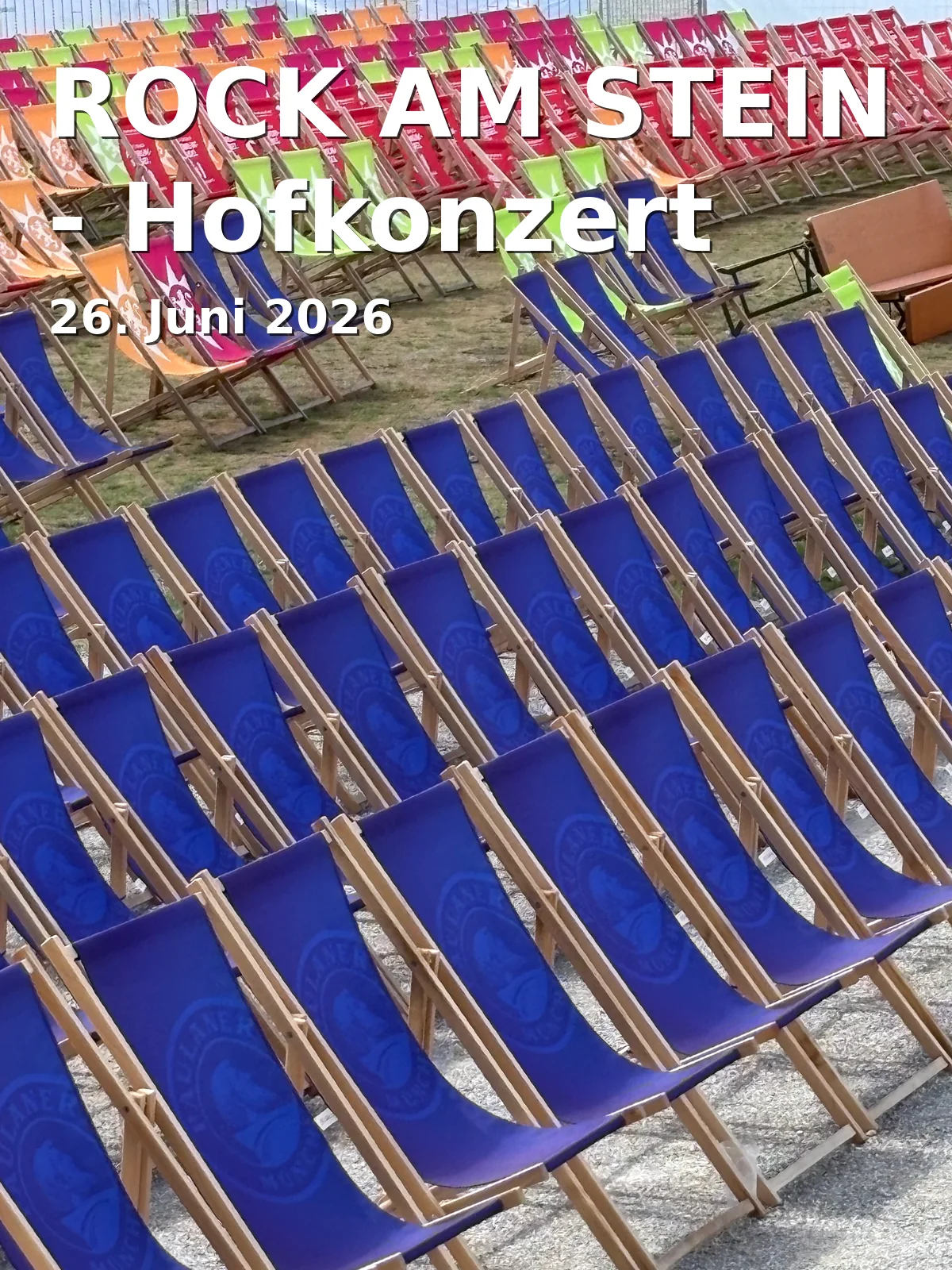
ROCK AT THE STONE - Courtyard Concert
Enjoy a special open-air experience in the historic setting with Freiburg bands and Offshore.
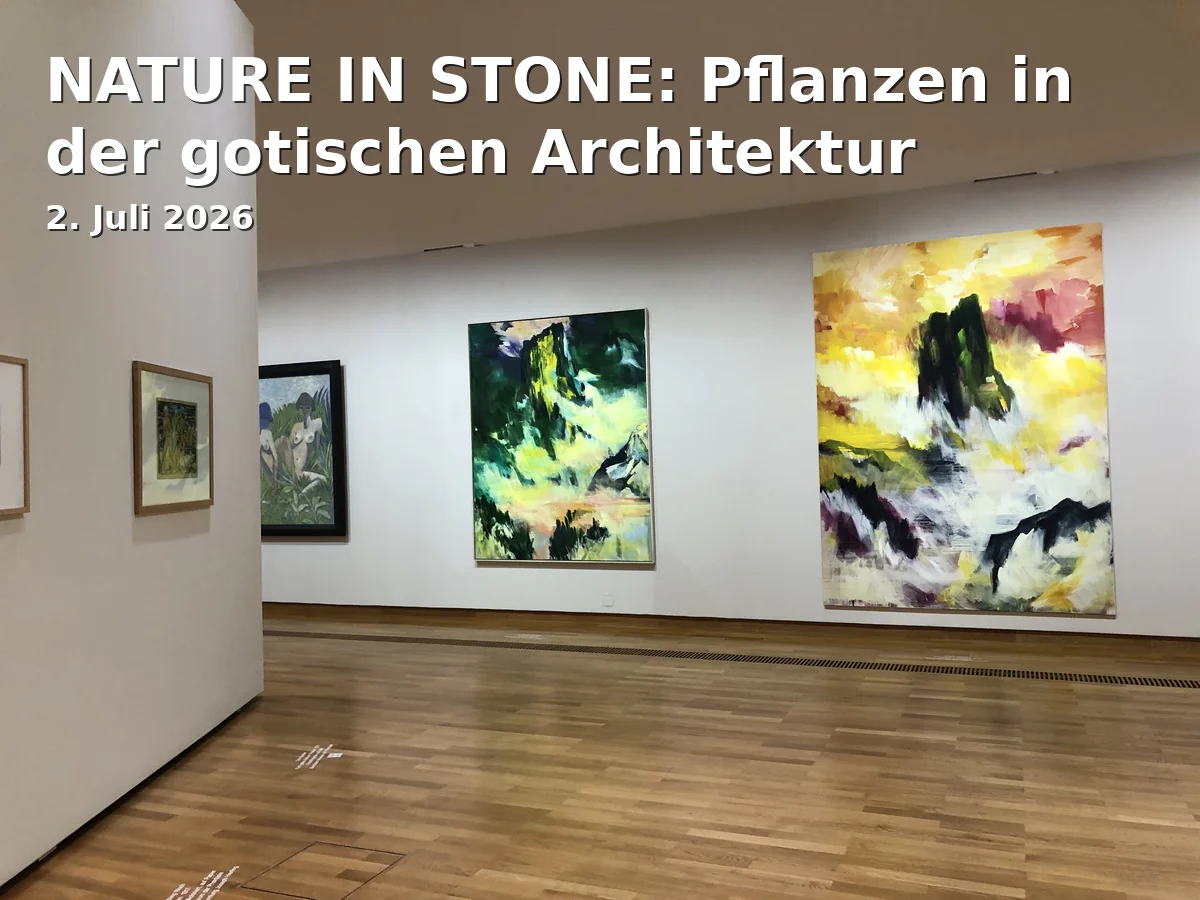
NATURE IN STONE: Plants in Gothic Architecture
Discover the role of plant motifs in Gothic architecture at a unique exhibition in the Freiburg Minster.
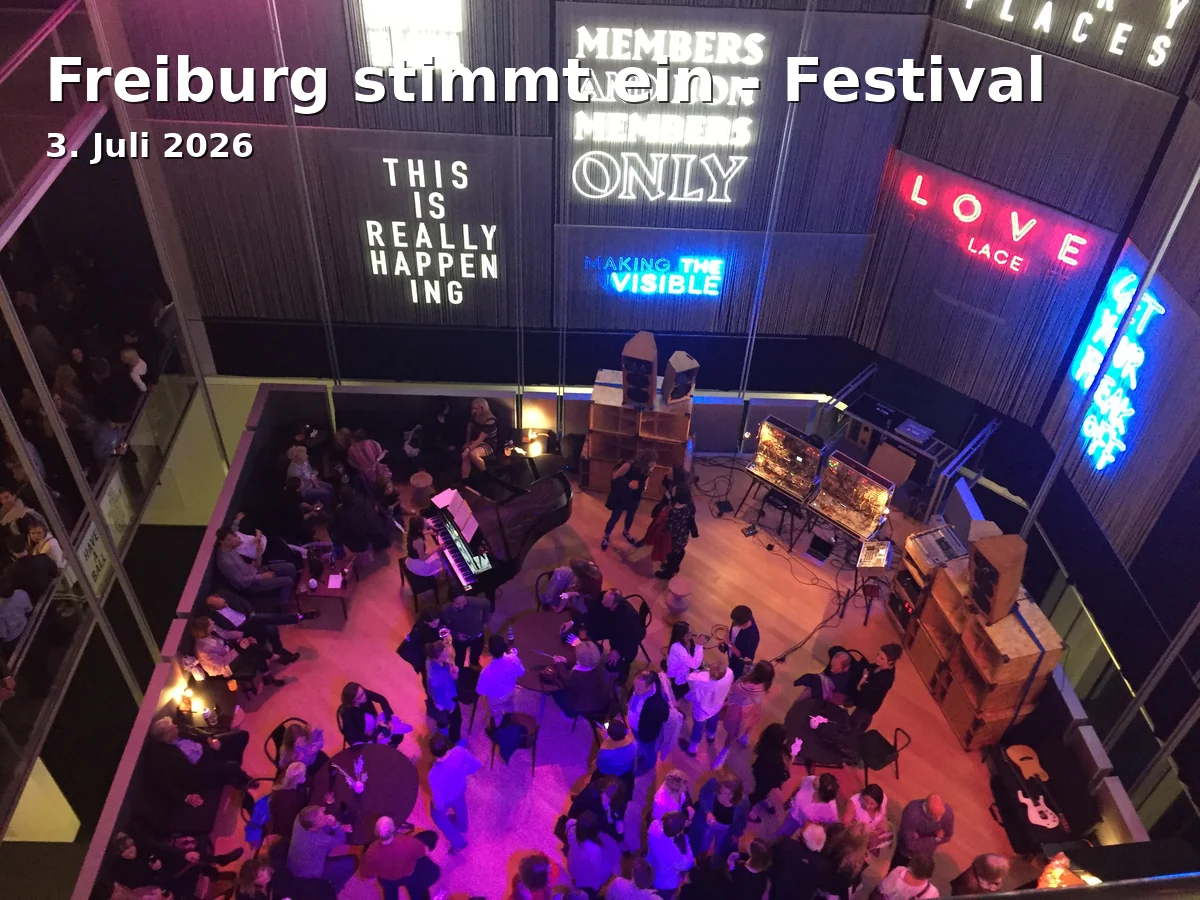
Freiburg sings - Festival
Experience a three-day open-air festival in the center of Freiburg. Free admission for everyone!
Frequently Asked Questions
Reviews
Georgi Kunchev
25. January 2026
Very beautiful and quite impressive Gothic cathedral. It is well designed and really detailed on the outside as well as on the inside. It has this eerie but respectful feeling. A work of art which is a must visit in Freiburg. Very nicely surrounded by the city's water channels, it is perfect to visit during the summer. I totally recommend checking it out.
UnDiplomatic Wife
10. February 2026
I wish we had time to go inside this Gothic Cathedral but even admiring it from the outside was lovely. It was nice to see the different weekend stalls that are selling food outside. It can be a bit tiring walking on the cobblestones but I can't help but admire how they designed the canals so it's not obvious but it does the job. The colorful houses outside are also lovely & interesting to behold.
martin bennett
20. January 2026
Fantastic cathedral in the centre of the city. I think it took 200 years to build and you can see why, the architecture is incredible. It is free to go inside and explore, however, I would recommend the earlier the better. There was also a farmers market outside with some nice food/drinks. Also, the cathedral looks amazing at night.
F M
8. February 2026
A Gothic Masterpiece in the Heart of the Black Forest. If you visit only one landmark in Freiburg, make it the Münster Unserer Lieben Frau. This stunning cathedral is not just a building; it is the beating heart of the city and a breathtaking example of Gothic architecture that has stood the test of time. Architecture & The "Most Beautiful Tower" The first thing that strikes you is the towering spire. Often described as the "most beautiful tower on earth," the open-work stone pyramid is a feat of medieval engineering. Walking around the exterior, you’ll see an array of intricate gargoyles and sculptures that tell stories from centuries ago. It is one of the few cathedrals that was largely spared during World War II, preserving its authentic historical soul. The Interior Experience Once you step inside, the atmosphere shifts to one of quiet reverence. The stained-glass windows are a highlight—many of them were donated by local guilds in the 13th and 14th centuries. The light filtering through the colorful glass creates a kaleidoscopic effect on the stone pillars. Don’t miss the high altar by Hans Baldung Grien, a masterpiece of the German Renaissance. The Vibrant Münsterplatz The experience isn't limited to the inside. The cathedral is surrounded by the Münsterplatz, a sprawling square that hosts a daily market. Watching the red sandstone of the cathedral glow against the backdrop of colorful stalls selling flowers, crafts, and the legendary Lange Rote sausage is a quintessential Freiburg moment. Why It’s a Must-Visit: • The View: If you’re feeling active, you can climb the tower for a panoramic view over the Black Forest and the Vosges mountains. • The History: A rare chance to see original medieval craftsmanship. • The Atmosphere: A perfect blend of spiritual silence and vibrant city life.
Rona Mathew
14. December 2025
Visiting Freiburg Cathedral (Freiburger Münster) was a deeply memorable experience for me. From the moment I arrived at the Münsterplatz, I was impressed by the incredible Gothic architecture and the level of detail on the exterior of the cathedral. The tall, elegant tower is breathtaking and can be admired from many parts of the city. Every sculpture, carving, and stone detail reflects the long history and craftsmanship behind this remarkable building. Inside the cathedral, the atmosphere is calm, peaceful, and full of spiritual depth. The beautiful stained-glass windows fill the space with soft, colorful light, creating a very serene and reflective environment. I especially appreciated the quietness inside, which allows visitors to pause, pray, or simply enjoy the sense of peace and history. You can really feel the centuries of faith and tradition that are part of this place. What makes the experience even more special is the location. The cathedral stands in the center of Freiburg, surrounded by the Münsterplatz with its markets, small shops, and cafés. The contrast between the lively square outside and the peaceful interior of the cathedral is wonderful. It feels like a perfect balance between city life and spiritual calm. Overall, Freiburg Cathedral is not just a tourist attraction but a place that touches you emotionally and spiritually. Whether you are interested in history, architecture, religion, or simply want a quiet moment in a busy city, this place is absolutely worth visiting. I would highly recommend it to anyone coming to Freiburg.