
Matthias Kiefersauer
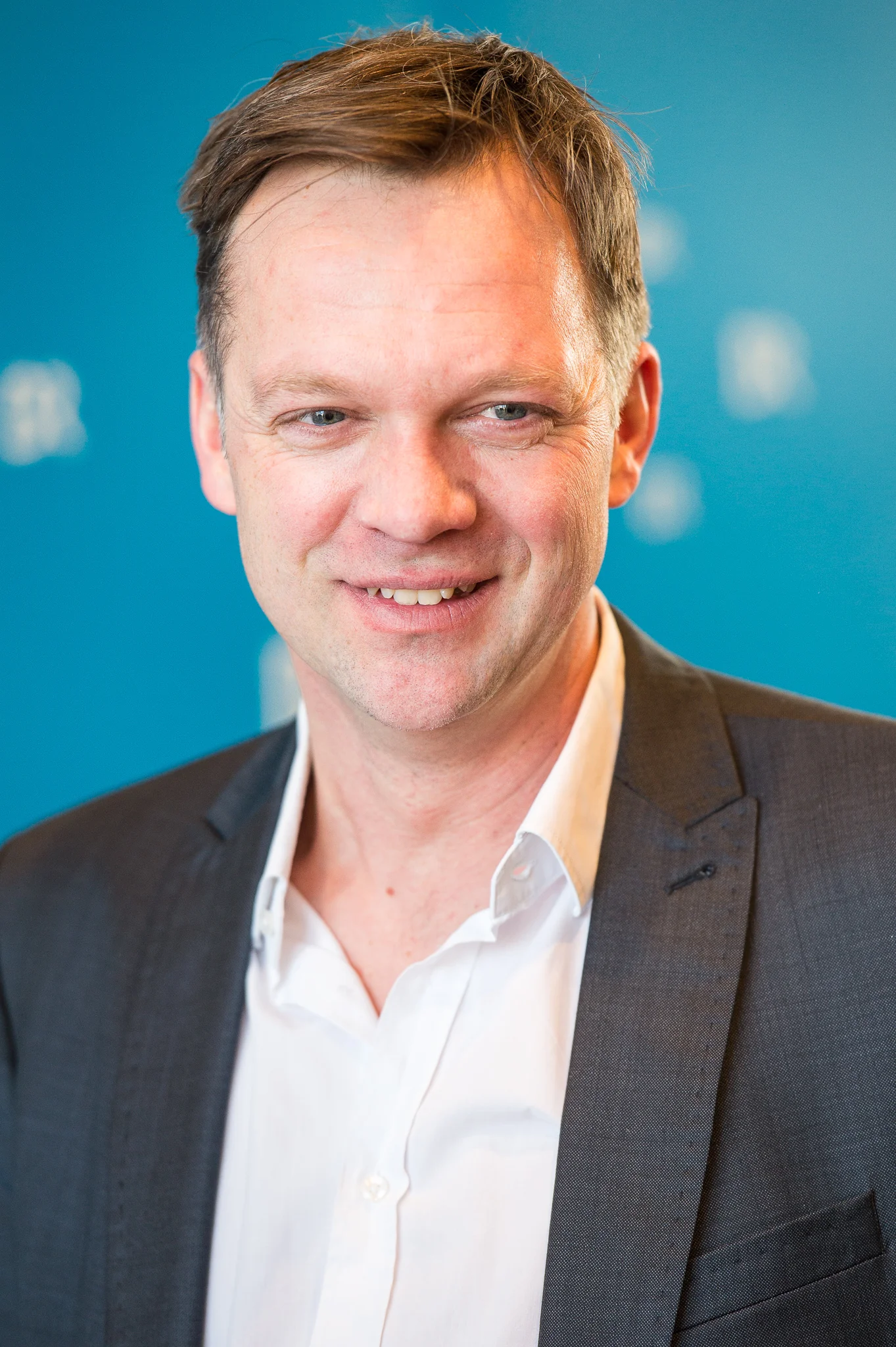
Image from Wikipedia
Image from Wikipedia
Matthias Kiefersauer – Narrator of Bavarian Lifestyles Between Comedy, Crime, and Heartfelt Cinema
A Filmmaker with a Sense of Tone, Timing, and Home
Matthias Kiefersauer, born in 1973 in Wolfratshausen, is one of the most distinctive voices in German television film: as a director, screenwriter, and columnist, he has earned a reputation for sharp characters, precise timing, and a very personal, often Bavarian-rooted narrative style. His career combines academic training, regional ties, and a keen eye for the dramaturgy of popular material. Particularly in series, comedies, and crime stories, his signature is evident: relatable, strong in dialogue, and imbued with a sense of human subtleties. (de.wikipedia.org)
Biography: From Wolfratshausen to HFF Munich
After studying at the University of Television and Film Munich, Kiefersauer graduated in 2002 with the short film Wunderbare Tage, which was screened at festivals both domestically and internationally and won awards at the Landshut Short Film Festival as well as the Rüsselsheim Film Festival. His early entry into practice is noteworthy: According to Münchner Turmschreiber, he was already working with the editorial team of the BR youth show Live aus dem Alabama at the age of 21. This early proximity to television shaped his approach to material that would later oscillate between audience success and formal sovereignty. (de.wikipedia.org)
After university, Kiefersauer initially directed documentaries for Bayerisches Fernsehen, primarily for the series Menschen in Bayern and Unter unserem Himmel. Between 2004 and 2005, he was a scholarship recipient at the DrehbuchWerkstatt München; there he developed the screenplay for Baching, for which he received the Tankred-Dorst-Prize in 2005. He made his feature film debut in 2006 with the comedy Das große Hobeditzn, which he co-wrote with Alexander Liegl. (de.wikipedia.org)
Career: Between BR, ZDF, and Narrative Versatility
One central feature of Kiefersauer's career is the broad range of his work. He directed comedies like Was machen Frauen morgens um halb vier? and Falsche Siebziger, crime dramas such as München Mord, Soko 5113, and Der Alte, as well as romantic films from the Inga Lindström series. This is complemented by series work like Bettys Diagnose and Franzi, where he not only directed but was also involved in the screenplay. This versatility makes him a director who sees genres not as boundaries but as toolboxes. (de.wikipedia.org)
This is especially evident in his work for the ZDF series Inga Lindström, for which he frequently took on writing and directing duties. Productions such as Herzen zu versteigern, Tanz mit mir, Hochzeitsfieber, Die Liebe der Anderen, or Ausgerechnet Söderholm demonstrate how expertly Kiefersauer controls the heartfelt cinema format. The stories encompass romantic conflicts, familial upheavals, and professional decisions without falling into clichés. This is precisely where his strength lies: he tells stories in a popular manner, but never arbitrarily. (bavaria-fiction.de)
Current Projects: New Cases, New Episodes, New Tensions
Kiefersauer remains active in the 2020s. According to the ZDF press portal, he directed München Mord – Dolce Vita, an episode filmed in 2020 that is part of the successful crime series. For the episode München Mord: Nix für Angsthasen, set to air in 2025, he is credited as co-author alongside Alexander Liegl, per Wikipedia. Additionally, ZDF identifies Kiefersauer as the director and co-author for Marie fängt Feuer – Lokale Gewitter. (presseportal.zdf.de)
His collaborations with producers remain visibly anchored: The Heppeler agency lists Kiefersauer in its directing roster, with his bio documenting continuous work on series and television film projects for ZDF, BR, Degeto, and SWR until 2022/2023. The picture is that of an author and director who does not rely on a once-found recipe for success but rather expands his repertoire at regular intervals. This reliability, especially in series and television, fosters trust among networks, teams, and audiences. (agentur-heppeler.de)
Filmography and Reception: Audience Success Meets Critique
The reception of his work is remarkably consistent. Was machen Frauen morgens um halb vier? reached 5.5 million viewers at its premiere, with a 17.6 percent market share, which the Wikipedia entry ranks as one of the best Wednesday evening results for the ARD in 2013. For München Mord, the film Dolce Vita is noted as one of the most successful Saturday night films of 2022 with over 7 million viewers. These figures not only indicate reach in German television but also cultural relevance. (de.wikipedia.org)
Critics often emphasize Kiefersauer's feel for tonal quality. Rainer Tittelbach writes about Hochzeitsfieber that Kiefersauer's contributions to the series are generally among the better ones; he also praises Baching as a charming homeland film with pragmatic realism and subtle wit. Artechock highlights that such moments are a specialty of the director. These responses outline the profile of a filmmaker who does not direct loudly but precisely, sympathetically, and with a sure eye for characters and environments. (tittelbach.tv)
Style: Home, Humor, and Human Friction
Kiefersauer's style thrives on a balance of environmental accuracy and a lighter tone. Even Baching shows how he does not romanticize the Bavarian province folklorically but tells it as a space for guilt, longing, and reunions. In the review of the film, it becomes clear that he does not treat home as a postcard motif but as a psychological resonance space. This grounds his work, which is rarely taken for granted in German television film. (vprogids.nl)
Even in lighter material, Kiefersauer remains remarkably precise. Whether it's romantic entanglements in Inga Lindström, familial conflicts in Komödienstadel, or criminal tensions in München Mord and Der Alte – he relies on clear character direction, understandable conflicts, and dramatic economy. The productions are crafted for audience compatibility, yet rarely feel mechanical, as Kiefersauer carefully coordinates dialogue, ensemble work, and rhythm. (agentur-heppeler.de)
Columnist and Observer of Munich Daily Life
Since 2008, Kiefersauer has also been writing a weekly column for the Münchner Merkur. Under the title Münchner Freiheit, he shares stories from his daily life in Munich every Saturday; according to Merkur, over 650 columns have been published to date. The collection Weltstadt mit Föhn – eine Münchner Pflichtlektüre and later München, Du mich auch! translate this observational eagerness into book form. This broadens Kiefersauer's profile with a literary-essayistic dimension that complements his film work. (de.wikipedia.org)
This dual role as a director and columnist explains much of his distinctive style. Someone who regularly writes about urban space, daily life, and the small shifts in life develops a refined sensitivity for atmosphere, environments, and language. Kiefersauer's films visibly benefit from this: they do not observe people from above but on eye level. This makes them accessible and simultaneously rich in character. (de.wikipedia.org)
Conclusion: A Director for Popular Storytelling with Substance
Matthias Kiefersauer is exciting because he does not see popular television as a byproduct but as a precise art of storytelling. He does not have a music career – yet, in his actual artistic career as a film director, screenwriter, and columnist, he demonstrates remarkable consistency, craftsmanship, and a fine instinct for his audience. Those who wish to experience German television films beyond routine will find in his work a reliable mix of emotion, humor, and narrative discipline. (de.wikipedia.org)
It is this blend of a sense of home, genre confidence, and human warmth that makes him appealing. His films and series episodes carry the signature of an author who takes characters seriously and does not minimize conflicts but rather makes them understandable. Anyone who has the opportunity to see a current production by Matthias Kiefersauer should seize it: His work showcases how vibrant, precise, and audience-friendly German film can be. (de.wikipedia.org)
Official Channels of Matthias Kiefersauer:
- Instagram: no official profile found
- Facebook: no official profile found
- YouTube: no official profile found
- Spotify: no official profile found
- TikTok: no official profile found
Sources:
- Wikipedia – Matthias Kiefersauer
- Agentur Heppeler – Directing
- Agentur Heppeler – Biography of Matthias Kiefersauer
- Bavaria Fiction – Cameras are rolling for new "Inga Lindström" episode
- Bavaria Fiction – Start of production for "Die Liebe der Anderen"
- Bavaria Fiction – Hochzeitsfieber / The Most Beautiful Wedding in the World
- ZDF Press Portal – Series "München Mord": New episode and further filming
- ZDF – Marie fängt Feuer: Local Thunderstorms
- tittelbach.tv – Inga Lindström: Hochzeitsfieber
- tittelbach.tv – Baching
- Münchner Merkur – Columnist Matthias Kiefersauer
- Wikipedia: Image and text source