
Ernst Lubitsch
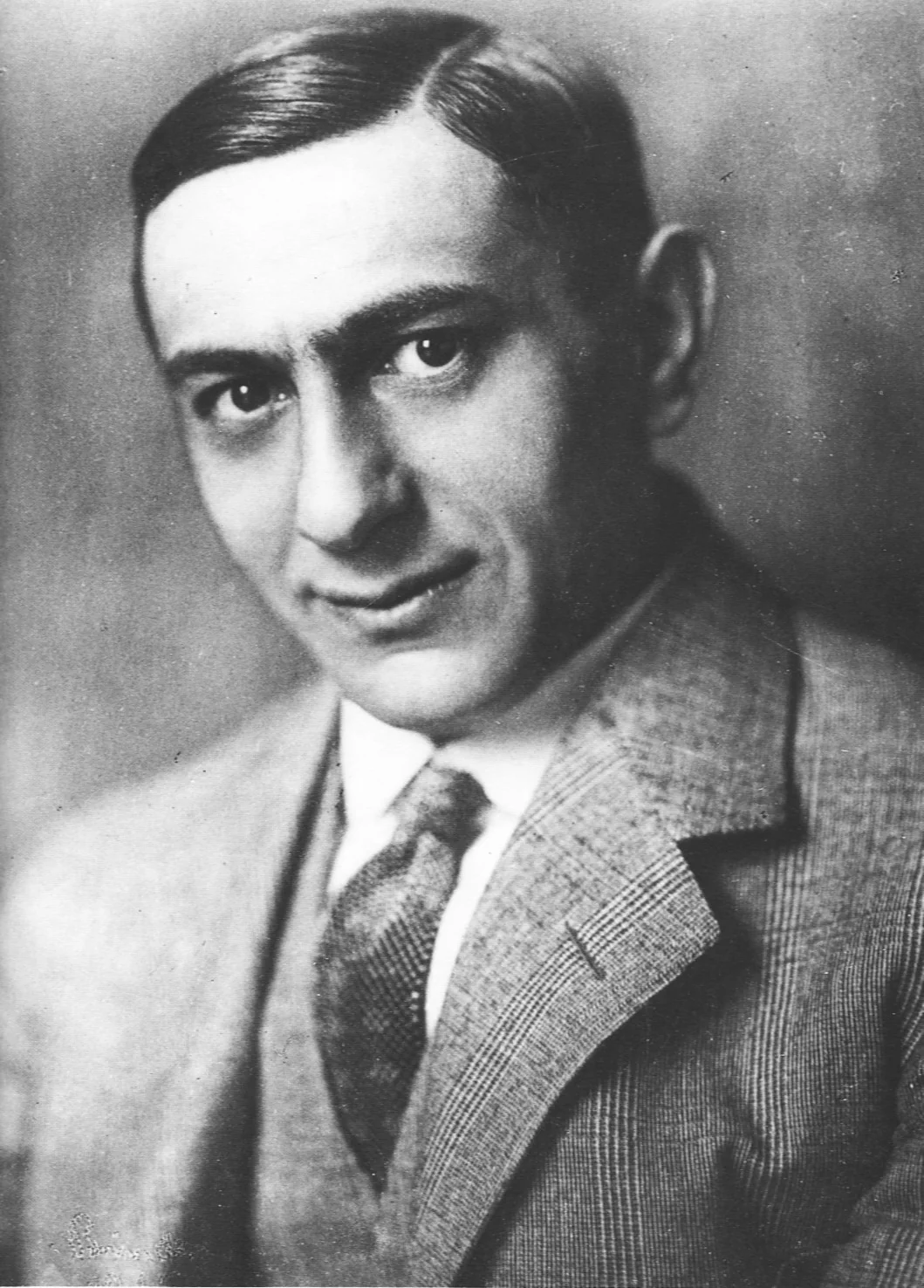
Image from Wikipedia
Image from Wikipedia
Ernst Lubitsch: The Master of Elegant Comedy and the Legendary "Lubitsch Touch"
A Director Who Shaped Film History with Wit, Precision, and Worldliness
Ernst Lubitsch, born on January 29, 1892, in Berlin and died on November 30, 1947, in Los Angeles, is among the defining directors of international cinema. He began his career in Germany, achieved his first major successes there, and became one of the formative authors of comedy, melodrama, and social satire in Hollywood. His name is still associated with elegance, fine irony, and that art of suggestion that later became known as the "Lubitsch Touch" in film history. ([dhm.de](https://www.dhm.de/lemo/biografie/ernst-lubitsch?utm_source=openai))
From Berlin Actor to Director with a Unique Signature
Lubitsch transitioned from the stage to film: After initial experiences in theater and cabaret, he became a pupil of Max Reinhardt and gained early practical stage experience in Berlin. His beginnings as an actor were characterized by directness, spontaneity, and a keen comedic timing. Even in his early roles, he developed a recognizable character type: the witty, cheeky upstart who asserts himself with charm and quick-wittedness. ([difarchiv.deutsches-filminstitut.de](https://www.difarchiv.deutsches-filminstitut.de/dt2tp0035.htm?utm_source=openai))
In 1913, he began his film career as an actor, and in 1915, he made the transition behind the camera. Initially, he directed slapstick, later alternating between genre forms, creating both historical costume films and comedies. This flexibility made him a prominent name during the German silent film era, known not only for popularity but also for directorial ingenuity. ([difarchiv.deutsches-filminstitut.de](https://www.difarchiv.deutsches-filminstitut.de/dt2tp0035.htm?utm_source=openai))
The Breakthrough in Germany: Silent Film, Elegance, and Narrative Precision
Lubitsch achieved his decisive artistic breakthrough in the late 1910s with films such as The Eyes of the Mummy Ma, The Oyster Princess, Madame Dubarry, and The Doll. These works combined popular entertainment with stylistic refinement, making him a director who equally amused and aesthetically surprised the audience. His historical themes, in particular, already showcased his sure hand for rhythm, image composition, and comedic tension. ([dhm.de](https://www.dhm.de/lemo/biografie/ernst-lubitsch?utm_source=openai))
His German phase was marked by collaborations with outstanding stars such as Ossi Oswalda, Emil Jannings, and Pola Negri. Lubitsch early on understood how to guide his actors and transform their personas into distinctive role representations. This developed a directorial style that shaped a distinctive cinematic language from acting, mise-en-scène, and precise economy. ([de.wikipedia.org](https://de.wikipedia.org/wiki/Ernst_Lubitsch?utm_source=openai))
Hollywood and the International Rise
In 1922, Lubitsch moved to Hollywood, where he was initially hired by Mary Pickford and continued his career at an international level. In the USA, he developed the cultured, elegant society comedies for which his name became world-famous. His films were characterized by subtle dualities: what was openly shown often mattered less than what was elegantly left unsaid. ([en.wikipedia.org](https://en.wikipedia.org/wiki/Ernst_Lubitsch?utm_source=openai))
In Hollywood, he solidified his reputation as a master of implication. Especially during a time of strict censorship, Lubitsch employed ironic ellipses, visual punchlines, and pointed dialogues that respected the audience's intelligence. This attitude not only shaped his own films but also had a lasting impact on the development of American film comedy. ([dhm.de](https://www.dhm.de/lemo/biografie/ernst-lubitsch?utm_source=openai))
The Late Masterpieces: Comedy as an Art Form
Even in the era of sound film, Lubitsch remained stylistically at the top. His most famous works include Ninotchka, Rendezvous After Closing, To Be or Not to Be, and Cluny Brown. These films demonstrate how deftly he interwove political satire, romantic comedy, and social critique without losing the light tone. ([wissen.de](https://www.wissen.de/lexikon/lubitsch-ernst?utm_source=openai))
To Be or Not to Be is considered a particularly striking example of Lubitsch's ability to transform historical reality into a biting, intelligent satire. The film combined courage, precision, and irony in a form that entertained and challenged the audience alike. This enduring strength of his oeuvre lies in the fact that Lubitsch elevated comedy to an art of timing, economy, and implicit punchlines. ([deutschlandfunk.de](https://www.deutschlandfunk.de/ernst-lubitsch-hollywood-100.html?utm_source=openai))
Lubitsch Touch: Style, Rhythm, and the Art of Omission
The term "Lubitsch Touch" describes not just a recognizable style but an entire dramaturgy of the subtle. Lubitsch favored suggestion over explanation, rhythm over over-explanation, and elegant movement over blatant effects. In his direction, image composition, character guidance, and pointed staging merged into a signature that remains a reference for film authors to this day. ([dhm.de](https://www.dhm.de/lemo/biografie/ernst-lubitsch?utm_source=openai))
His film work was characterized by high narrative discipline. Even in light comedies, his directorial efforts never seemed incidental but rather controlled, musical, and precisely constructed. This precision made him a director whose works not only entertain but also explore the relationship between morality, eroticism, class, and social convention with fine irony. ([difarchiv.deutsches-filminstitut.de](https://www.difarchiv.deutsches-filminstitut.de/dt2tp0035.htm?utm_source=openai))
Cultural Influence, Recognition, and Legacy
Lubitsch's influence extends far beyond classic film comedy. Numerous directors and screenwriters have referenced his art of understatement, with Billy Wilder being one of the most prominent admirers of his style. His name became synonymous with intelligent lightness and cinema that understands sophistication not as distance but as a form of precision. ([lubitsch-preis.de](https://lubitsch-preis.de/ernst-lubitsch/?utm_source=openai))
Shortly before his death, he received an Honorary Oscar for his life's work. The fact that this award came at the end of a career that spanned from the Berlin silent film era, through the Hollywood rise, to the major sound film comedies, attests to the exceptional status of his oeuvre. Lubitsch remained a director who, until the end, staged world history, romantic intrigue, and social satire with unmistakable ease. ([de.wikipedia.org](https://de.wikipedia.org/wiki/Ernst_Lubitsch?utm_source=openai))
Conclusion: Why Ernst Lubitsch Continues to Fascinate Today
Ernst Lubitsch is compelling because he never understood comedy as mere entertainment but as a precise art form infused with attitude, wit, and subtext. His career connects Berlin theater culture, European silent film tradition, and Hollywood elegance into a body of work characterized by extraordinary stylistic consistency. Those who watch his films experience cinema that aims for the highest craftsmanship and artistic control in every punchline, gesture, and omission. ([dhm.de](https://www.dhm.de/lemo/biografie/ernst-lubitsch?utm_source=openai))
For this reason, encountering Lubitsch is always worthwhile: not only as a look at a film classic but as a journey to one of the finest directorial minds in film history. His works belong on the big screen, where rhythm, timing, and subtle comedy can fully unfold their impact. Ernst Lubitsch remains a benchmark for elegance in cinema. ([brockhaus.de](https://brockhaus.de/ecs/julex/article/lubitsch-ernst?utm_source=openai))
Official Channels of Ernst Lubitsch:
- Instagram: no official profile found
- Facebook: no official profile found
- YouTube: no official profile found
- Spotify: no official profile found
- TikTok: no official profile found
Sources:
- Wikipedia – Ernst Lubitsch
- German Historical Museum / LeMO – Biography of Ernst Lubitsch
- German Film Institute – Biography of Ernst Lubitsch
- PBS – Biography: Ernst Lubitsch
- Brockhaus – Ernst Lubitsch
- The Cinema of Ernst Lubitsch – Timeline
- Deutschlandfunk – Ernst Lubitsch's Journey to Hollywood
- AFI Catalog – Ernst Lubitsch
- Ernst-Lubitsch-Award – Ernst Lubitsch
- Wikipedia: Image and Text Source Supplementary Research