
Cicely Saunders
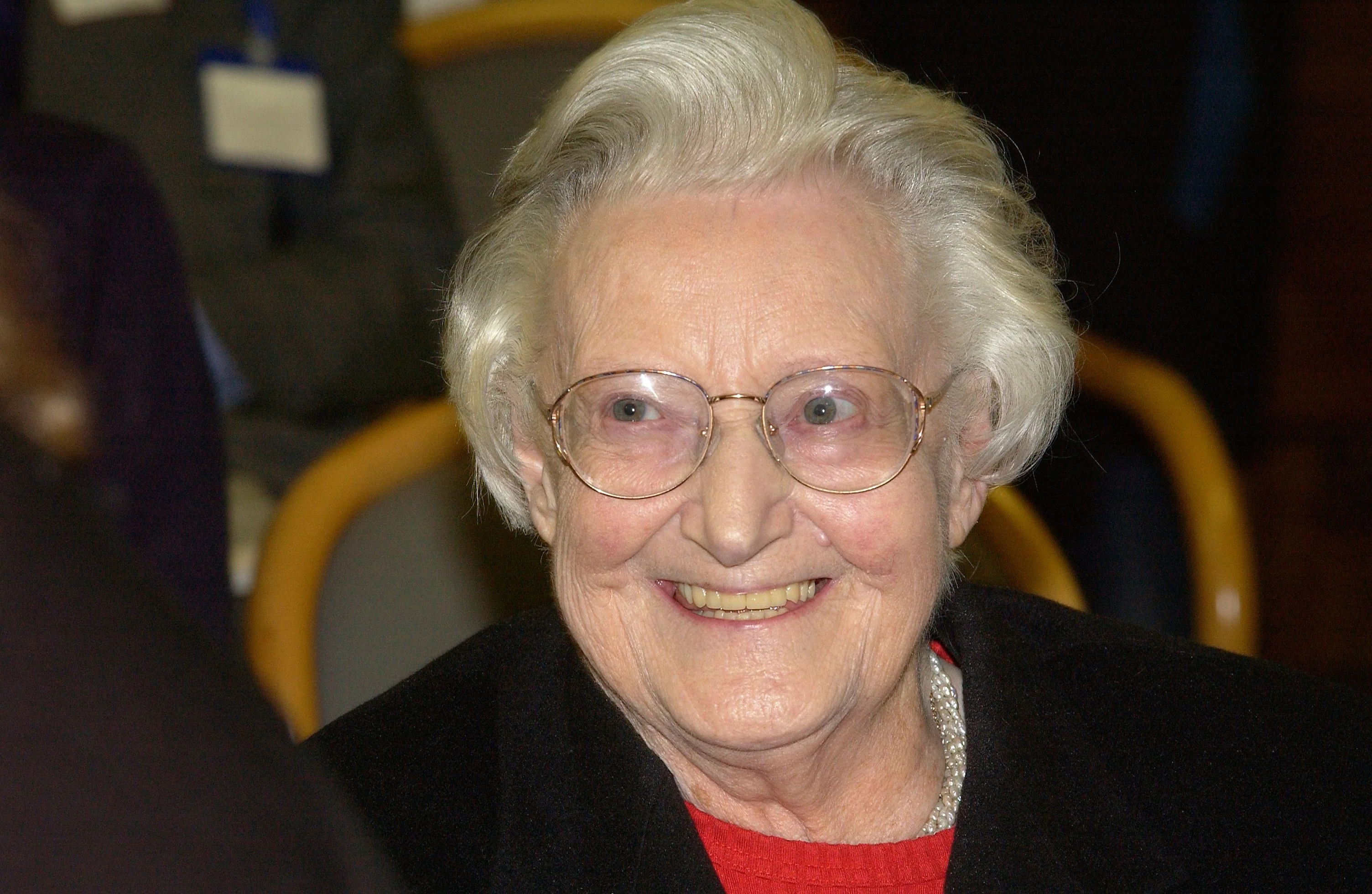
Image from Wikipedia
Image from Wikipedia
Cicely Saunders: The Woman Who Redefined Dignity, Compassion, and Modern Hospice Culture
A Visionary of Human Farewell
Dame Cicely Mary Strode Saunders was not a musician but one of the defining figures in the history of modern medicine and care. As an English nurse, social worker, and physician, she founded the modern hospice movement and palliative care. Her life's work stands for empathy, professional clarity, and a determined commitment to a dignified death. ([de.wikipedia.org](https://de.wikipedia.org/wiki/Cicely_Saunders?utm_source=openai))
Born on June 22, 1918, in Barnet, Hertfordshire, and passing away on July 14, 2005, in London, Saunders developed one of the most impactful reform ideas of the 20th century from personal experience, clinical practice, and spiritual conviction. Today, her name is inseparably linked with hospice work, palliative care, and a medicine that treats the whole person rather than just symptoms. ([de.wikipedia.org](https://de.wikipedia.org/wiki/Cicely_Saunders?utm_source=openai))
Biographical Roots: Education, War, and Calling
Saunders was the eldest of three children and initially attended Roedean boarding school before studying Philosophy, Politics, and Economics at St Anne’s College, Oxford. With the outbreak of World War II, she discontinued her studies to train as a nurse at St Thomas' Hospital. This decision marked the beginning of a career where practical nursing and intellectual reflection were closely intertwined. ([de.wikipedia.org](https://de.wikipedia.org/wiki/Cicely_Saunders?utm_source=openai))
After the war, she resumed her studies and graduated in 1947 with a diploma in Public and Social Administration. It was also during this year that she experienced a religious conversion to Christianity, which profoundly influenced her views on suffering, companionship, and hope. Her encounters with severely ill individuals and the realities of wartime shaped her perspective on the limits of contemporary medicine. ([de.wikipedia.org](https://de.wikipedia.org/wiki/Cicely_Saunders?utm_source=openai))
The Breakthrough: From Caregiver to Hospice Vision
Her first position at St Thomas’ Hospital brought Saunders into close contact with cancer patients, whose care she found inadequate and often degrading. A particularly formative encounter was with David Tasma, a seriously ill patient with whom she engaged in intense dialogue. From this experience emerged her vision of a place where the dying are not just medically treated but holistically cared for. ([de.wikipedia.org](https://de.wikipedia.org/wiki/Cicely_Saunders?utm_source=openai))
In 1967, she founded St Christopher's Hospice in Sydenham, South London. This hospice became a landmark in international health history and a model for a new form of end-of-life care. There, Saunders integrated pain therapy, nursing, psychological support, and scientific research into a concept that continues to set standards worldwide today. ([deutschlandfunk.de](https://www.deutschlandfunk.de/100-geburtstag-von-cicely-saunders-begruenderin-der-100.html?utm_source=openai))
Professional Development and International Authority
Saunders' strength lay in the integration of clinical experience, scientific argumentation, and ethical consistency. She understood early on that pain, fear, loneliness, and social distress cannot be viewed in isolation; rather, they collectively shape the experience of serious illness. This holistic perspective made her work the foundation of modern palliative medicine. ([de.wikipedia.org](https://de.wikipedia.org/wiki/Cicely_Saunders?utm_source=openai))
Her influence extended far beyond Britain. She became a global reference figure for hospice work, palliative care, and a medical ethics that values quality of life as much as life extension. The establishment of the Cicely Saunders Institute at King’s College London in 2010 illustrates how strongly her name remains connected to research, education, and care. ([de.wikipedia.org](https://de.wikipedia.org/wiki/Cicely_Saunders?utm_source=openai))
Awards, Recognition, and Lasting Impact
Saunders received high honors from the state and academic institutions for her work. She was appointed a Dame and awarded the Order of Merit, underscoring her outstanding societal importance. Honorary doctorates and international recognitions further demonstrated that her idea of person-centered support at the end of life extended far beyond a single hospice. ([de.wikipedia.org](https://de.wikipedia.org/wiki/Cicely_Saunders?utm_source=openai))
The cultural impact of her work is evident in professional literature, memorial events, and biographical accounts. Numerous writings, including biographies and retrospective honors, trace her journey as the founder of a global movement. Today, her name embodies an attitude where medical competence and human closeness cannot be separated. ([a.osmarks.net](https://a.osmarks.net/content/wikipedia_en_all_maxi_2020-08/A/Cicely_Saunders?utm_source=openai))
Current Relevance: Why Cicely Saunders Matters Today
Even years after her death, Saunders remains highly relevant because the issue of dignified care at the end of life continues to gain importance in aging societies. Her approach continues to influence hospices, palliative care units, training programs, and the medical debate surrounding pain management and end-of-life support. This is reflected in contemporary institutions that bear her name and carry on her principles. ([cicelysaundersinternational.org](https://cicelysaundersinternational.org/dame_cicely?utm_source=openai))
The establishment of the Cicely Saunders Institute and the ongoing public remembrance of her work demonstrate that her influence remains vibrant and not merely a relic of history. Saunders created a language for dignity, compassion, and professional responsibility that resonates in medicine and care to this day. ([cicelysaundersinternational.org](https://cicelysaundersinternational.org/dame_cicely?utm_source=openai))
Voices of Fans
As no official social media profiles for Cicely Saunders have been verified, this section is intentionally omitted. For a figure from the fields of medicine and social history, public fan comments are also not the appropriate metric for assessing her historical significance. Here, the documented impact of her work is what matters, not social media reach. ([cicelysaundersinternational.org](https://cicelysaundersinternational.org/dame_cicely?utm_source=openai))
Conclusion: A Pioneer Whose Work Continues to Set Standards
Cicely Saunders is fascinating because she did not just initiate a reform but rethought an entire field. From her nursing experience, clinical observations, and ethical convictions, she developed a medicine that takes suffering seriously and accompanies people in their dignity until the end. Those who consider her biography recognize an extraordinary blend of empathy, expertise, and societal shaping power. ([de.wikipedia.org](https://de.wikipedia.org/wiki/Cicely_Saunders?utm_source=openai))
Her legacy lives on in hospices, palliative units, and training institutions worldwide. This is the greatness of her life’s work: she created a movement that translates compassion into professional structure. Anyone interested in medical ethics, care history, and human resilience encounters one of the most important figures of the 20th century in Cicely Saunders. ([de.wikipedia.org](https://de.wikipedia.org/wiki/Cicely_Saunders?utm_source=openai))
Official Channels of Cicely Saunders:
- Instagram: No official profile found
- Facebook: No official profile found
- YouTube: No official profile found
- Spotify: No official profile found
- TikTok: No official profile found